What private stablecoin infrastructure means
Private stablecoin infrastructure refers to the specialized systems enterprises use to issue, manage, and settle stablecoins without exposing sensitive financial data on public ledgers. While public stablecoins prioritize broad accessibility and transparency, private infrastructure prioritizes data confidentiality, regulatory alignment, and enterprise-grade control. This distinction allows businesses to leverage the speed and programmability of blockchain technology while maintaining the privacy standards required for high-stakes financial operations.
At its core, this infrastructure serves as the connective tissue between traditional finance and digital assets. It encompasses the technical and compliance layers that keep stablecoins functioning reliably, including identity verification, fraud screening, and Anti-Money Laundering (AML) workflows. As noted by Stripe, stablecoin infrastructure is not just about maintaining steady value; it involves reconciling on-chain balances with internal records and ensuring that transactions comply with jurisdictional regulations. For enterprises, this means having full visibility into their own treasury operations without broadcasting every trade to the entire market.
The primary advantage of private stablecoin infrastructure is the ability to settle transactions in real-time while keeping strategies, counterparties, and pricing confidential. Platforms like Canton Network demonstrate how enterprises can optimize liquidity and manage FX operations with "programmable privacy." This approach ensures that sensitive business logic remains protected, even when the underlying settlement occurs on a public blockchain. By decoupling the settlement layer from the data layer, companies can achieve the composability of public networks without sacrificing the competitive secrecy essential to institutional finance.
Implementing private stablecoin infrastructure requires a different mindset than traditional banking or public DeFi. It demands robust monitoring tools that can analyze on-chain activity without exposing the underlying business relationships. This balance allows enterprises to move freely and settle payments instantly, maintaining the control and visibility they need to operate within strict regulatory frameworks. As the financial landscape evolves, this infrastructure becomes the critical bridge for institutions seeking to adopt digital assets without compromising their operational security.
Core components of the tech stack
Building private stablecoin infrastructure requires more than just minting tokens; it demands a layered technical architecture that bridges on-chain logic with off-chain reality. At its foundation, the stack relies on smart contracts for issuance and transfer logic, but these contracts are blind without external data. This is where oracles come in, feeding real-world price feeds and reserve proofs into the blockchain to maintain peg stability and enable complex settlement logic.
Custody is the second pillar, ensuring that the underlying assets backing the stablecoin remain secure and accessible. For enterprise use cases, this often means integrating with qualified custodians or self-custody solutions that support multi-signature wallets and hardware security modules. The technology must handle the reconciliation of on-chain balances with off-chain reserve accounts, ensuring that every token in circulation is fully backed and verifiable. Compliance tools are also embedded directly into this layer, automating identity checks and Anti-Money Laundering (AML) screening to meet regulatory standards without slowing down transaction velocity.
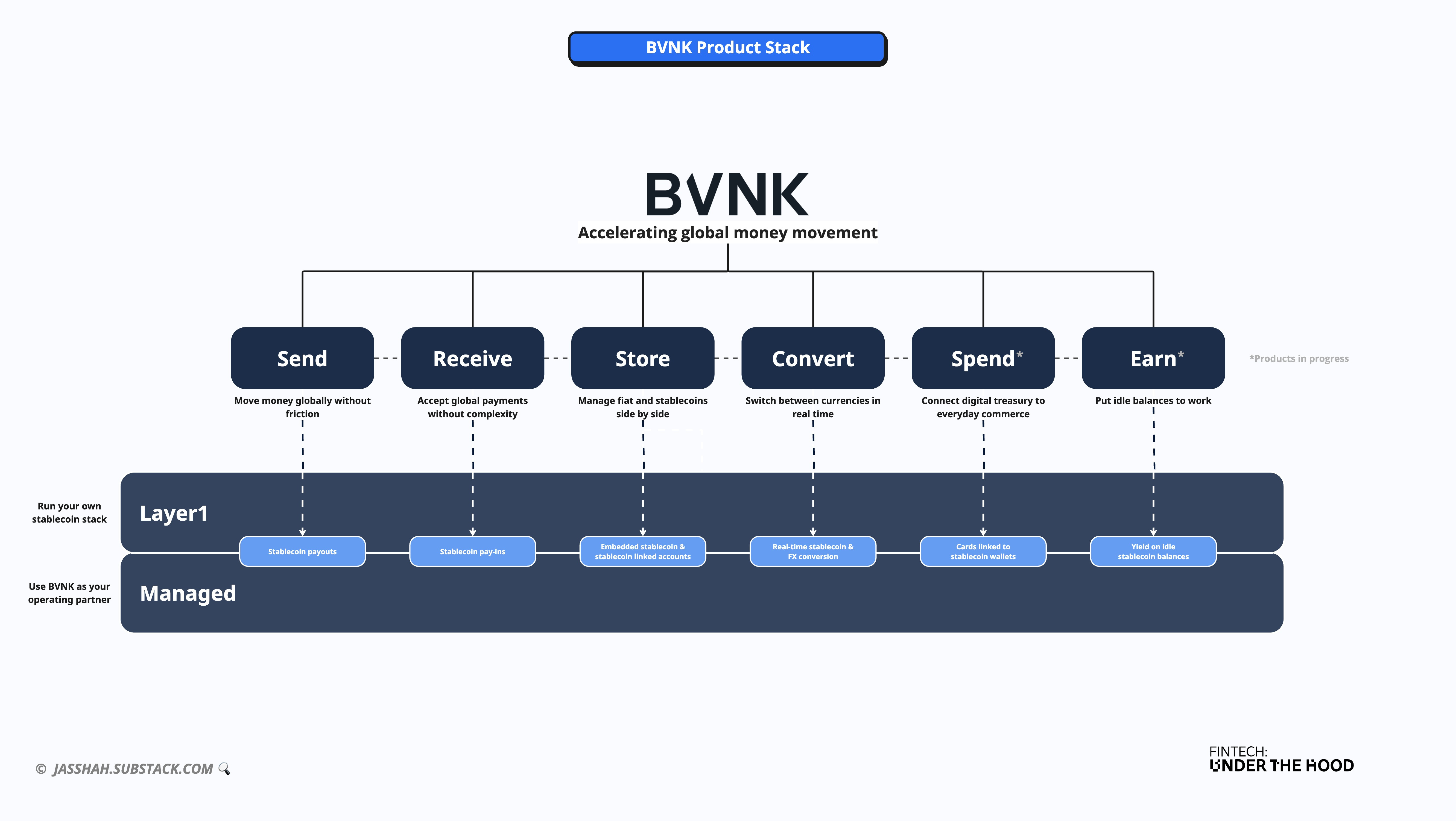
The final layer involves the integration APIs that allow these rails to connect with existing financial systems. Businesses need seamless ways to receive, store, convert, and spend stablecoins through standard interfaces. This abstraction layer hides the complexity of blockchain interactions, allowing enterprises to treat stablecoin payments with the same reliability as traditional bank transfers while retaining the speed and programmability of the underlying blockchain.

Comparing private stablecoin infrastructure providers
Choosing the right infrastructure depends on whether your priority is absolute privacy, seamless fiat integration, or multi-chain custody. The landscape is fragmented, with each provider carving out a specific niche for enterprise settlement.
Fireblocks focuses on custody and distribution, offering a unified platform to manage stablecoins across multiple chains. Their solution emphasizes real-time settlement by cutting out traditional intermediaries, allowing businesses to move value 24/7 without the delays of legacy banking rails [src-serp-1]. It is best suited for organizations that need robust security and multi-chain support rather than deep privacy features.
Canton Network takes a different approach, prioritizing programmable privacy. It enables enterprises to issue and access stablecoins on public blockchains without exposing pricing, counterparties, or trading strategies. This makes it ideal for institutions that need to settle FX or manage treasury operations while keeping sensitive financial data hidden from the public ledger [src-serp-3].
Stripe provides a more accessible entry point for businesses already embedded in its ecosystem. Their infrastructure guide highlights the importance of compliance tools, including AML screening and on-chain transaction analysis, to reconcile balances with internal records. This approach lowers the barrier to entry for companies that need stablecoin functionality but lack dedicated blockchain engineering teams [src-serp-4].
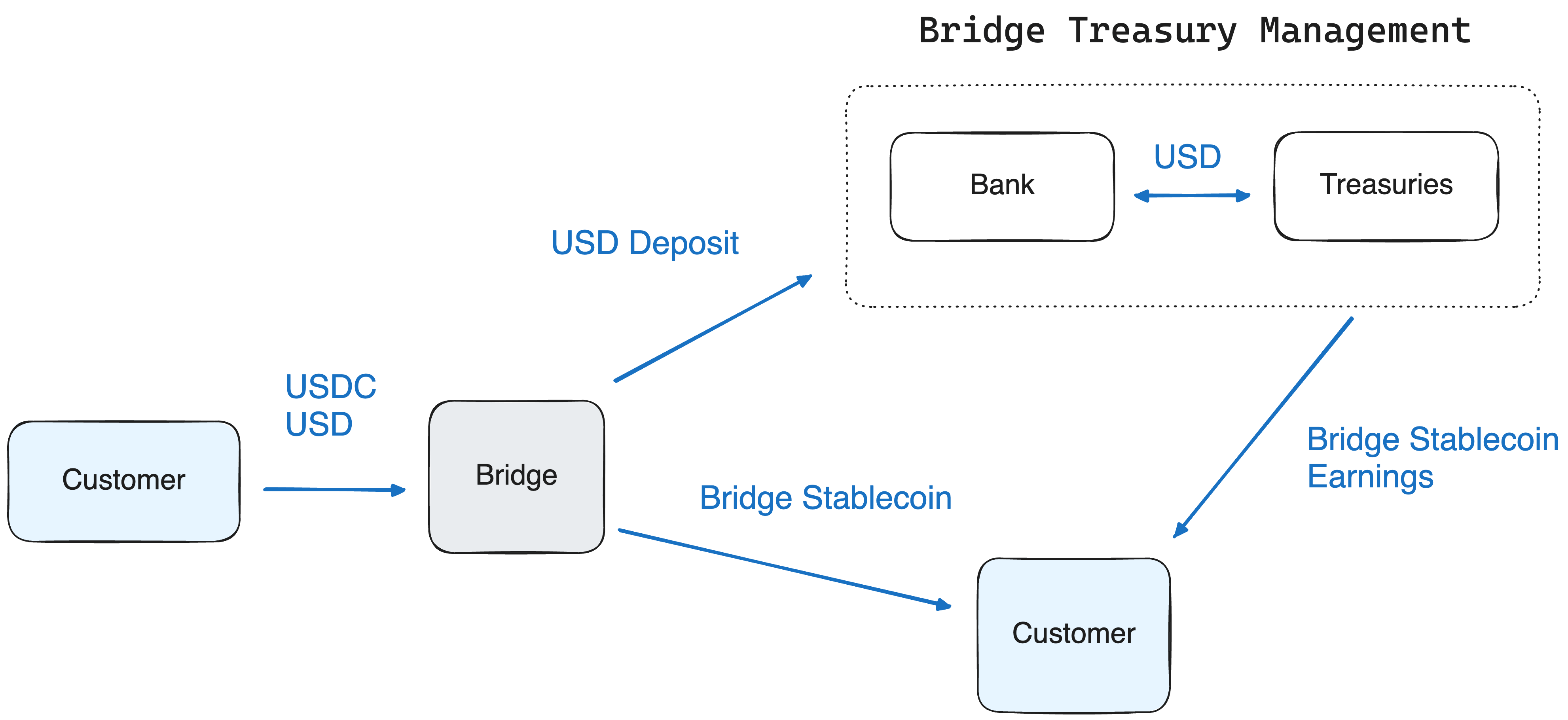
Bridge positions itself as an end-to-end platform for developers and businesses. It consolidates the ability to receive, store, convert, issue, and spend stablecoins into a single API layer. This all-in-one model is attractive for fintech startups and platforms that want to embed stablecoin payments without managing multiple vendor relationships [src-serp-7].
The table below summarizes the core strengths of each provider to help you align infrastructure with your specific operational needs.
| Provider | Primary Focus | Privacy Model | Best For |
|---|---|---|---|
| Fireblocks | Custody & Distribution | Standard on-chain visibility | Multi-chain asset management |
| Canton Network | Private Payments | Programmable, off-ledger privacy | Institutional FX & Treasury |
| Stripe | Compliance & Integration | Standard on-chain visibility | Businesses with existing Stripe accounts |
| Bridge | End-to-End APIs | Standard on-chain visibility | Developers & Fintech Platforms |
Compliance and regulatory alignment
Building private stablecoin infrastructure requires more than just secure custody; it demands rigorous adherence to financial regulations. Enterprise settlement systems must embed Anti-Money Laundering (AML), Know Your Customer (KYC), and sanctions screening directly into the operational workflow. This ensures that every transaction complies with global standards before settlement occurs.
Unlike public networks where compliance is often an afterthought, private infrastructure allows for real-time identity verification and on-chain transaction analysis. As noted by Stripe, stablecoin infrastructure includes compliance tools that handle identity checks and fraud screening, reconciling on-chain balances with internal records to maintain a clear audit trail [Stripe]. This proactive approach minimizes the risk of facilitating illicit activities, a critical requirement for high-stakes financial operations.
By integrating these compliance layers natively, enterprises can settle funds across geographies with confidence. The system automatically screens participants against regulatory watchlists, ensuring that only verified entities can interact with the network. This level of control is essential for institutions that require full visibility and accountability in their digital asset operations.
Strategic implementation checklist
Deploying private stablecoin infrastructure requires a disciplined, phased approach. You are not just swapping a ledger; you are integrating a new payment rail that touches compliance, custody, and liquidity. Follow this workflow to ensure your organization builds a resilient foundation.
Private stablecoins still touch regulated financial systems. Before writing code, map your Anti-Money Laundering (AML) and sanctions workflows. Ensure your infrastructure includes tools for identity checks and onchain transaction analysis that reconcile with your internal records.
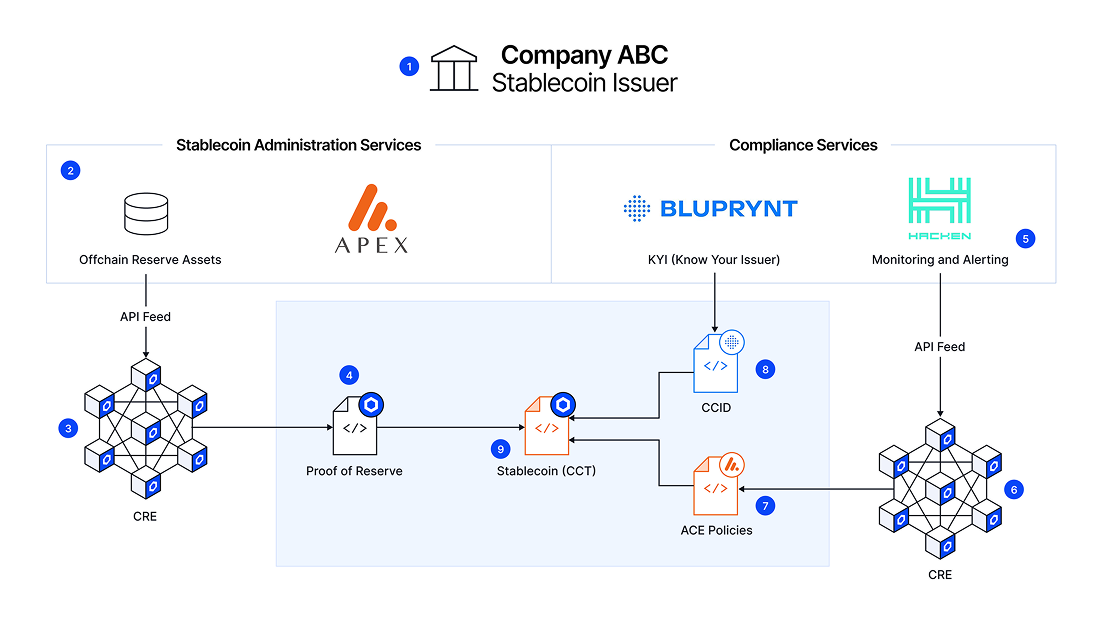
Choose a custody solution that aligns with your risk appetite. Whether you opt for multi-signature wallets, institutional custodians, or hardware security modules, the goal is to protect private keys while maintaining the operational agility needed for enterprise settlement.

Simulate high-volume transactions to verify that your private stablecoin can settle in real-time. Test edge cases like network congestion or partial settlements to ensure your treasury operations remain stable under pressure.
By following these steps, you mitigate the technical and regulatory risks inherent in tokenized cash systems. This structured approach ensures your private stablecoin infrastructure is not just a pilot project, but a scalable asset for modern finance.
Frequently asked: what to check next
Helpful gear
Use these product recommendations as a starting point, then choose the size, material, and price point that fit how you actually use the gear.
- Good starting point
- Matches the article topic

As an Amazon Associate, we may earn from qualifying purchases.
No comments yet. Be the first to share your thoughts!