Map your settlement requirements
Before selecting a private stablecoin infrastructure, you must define the specific operational needs that will drive the technology stack. Private stablecoins are not a one-size-fits-all solution; they are engineered to solve distinct friction points in institutional finance, from settlement speed to counterparty privacy.
Start by auditing your current settlement latency. If your treasury operations require real-time liquidity management across borders, you need infrastructure that supports programmable privacy without sacrificing composability. Canton Network, for example, allows enterprises to settle FX and manage treasury operations in real-time while keeping pricing and strategies hidden from the public ledger 1.
Next, assess your compliance and visibility needs. While the blockchain may be public, your settlement data should remain private. You need a system that offers complete control and visibility for internal audits while preventing competitors from seeing your counterparties or trade strategies 1.
Finally, consider the regulatory landscape of your target jurisdictions. Stablecoins are pegged to reference assets, typically fiat, but the underlying infrastructure must support the legal and reporting requirements of each region 2. Map these requirements clearly to ensure your chosen private stablecoin protocol can handle the necessary compliance checks without slowing down transactions.
Select the right custody and rails
Private Stablecoin Infrastructure works best as a clear sequence: define the constraint, compare the realistic options, test the tradeoff, and choose the path with the fewest hidden costs. That order keeps the advice usable instead of decorative. After each step, pause long enough to check whether the recommendation still fits the reader's actual situation. If it depends on perfect timing, unusual access, or a best-case budget, include a simpler fallback.

Integrate compliance and privacy layers
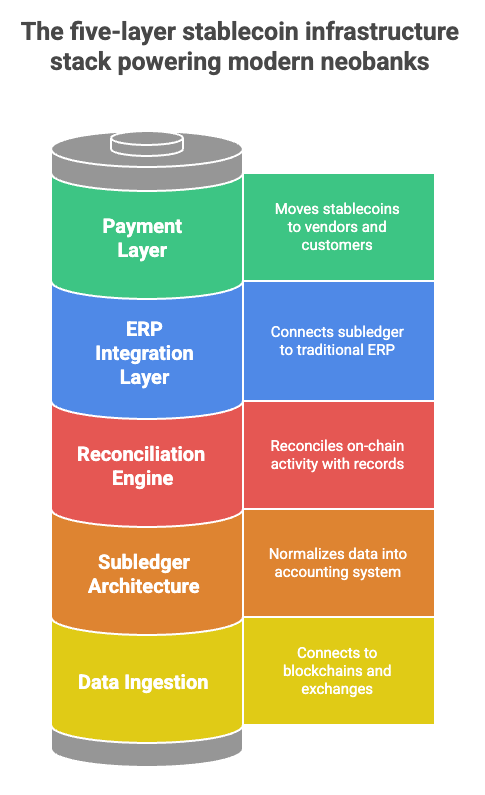
You cannot build institutional infrastructure on a public ledger without a filter. The goal is to let stablecoins move freely while keeping pricing, counterparties, and trading strategies hidden from the public eye. This requires embedding privacy and compliance directly into the settlement stack, not bolting them on after the fact.
Public blockchains expose every transaction. For institutions, this is a liability. Platforms like Canton Network allow you to issue and access stablecoins without exposing sensitive data to the public chain [src-serp-3]. This ensures that your liquidity management and FX settlements remain confidential while still settling on a shared ledger.

Privacy does not mean anonymity for the institution. You must embed compliance checks that are visible only to authorized regulators. This means building smart contracts that verify KYC/AML status before a transaction is finalized, ensuring that only verified entities can interact with the stablecoin pool.
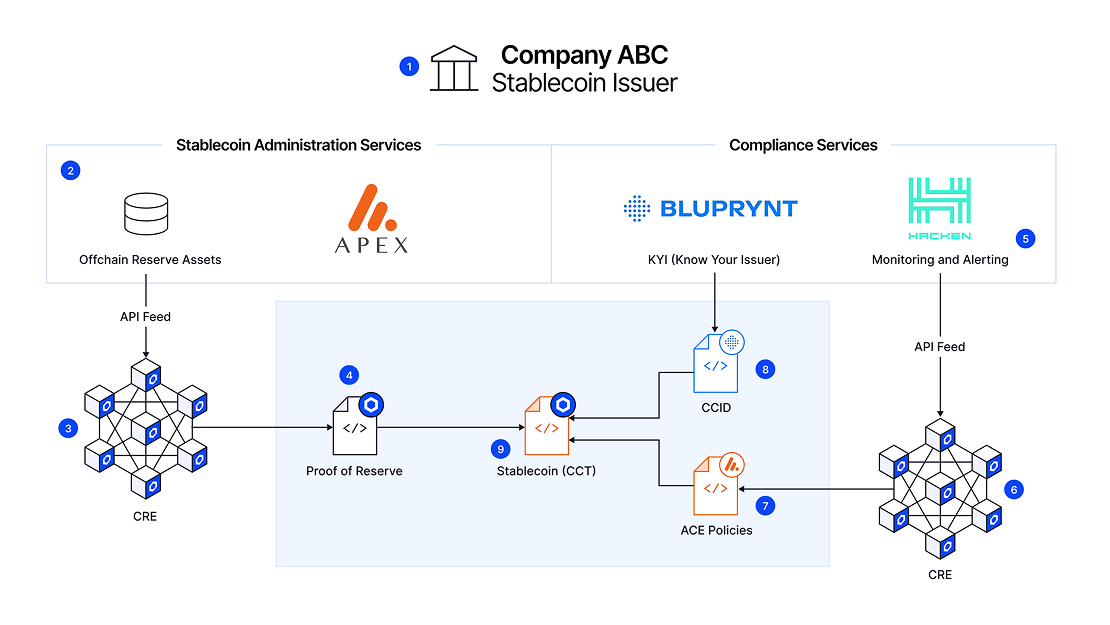
Once the privacy layer is active, connect to established payment networks to bridge the gap between crypto and traditional finance. Visa’s Stablecoin Platform (VSP) allows institutions to store, access, and issue stablecoins while leveraging existing consulting and analytics infrastructure [src-serp-7]. This integration ensures that your private transactions can be converted or settled through traditional banking channels seamlessly.
By treating privacy as a core component of the infrastructure rather than an afterthought, you create a system that is both secure and compliant. This approach allows institutions to operate with the speed of blockchain settlement while maintaining the regulatory visibility required by law.
Analyze market liquidity and risk
Private Stablecoin Infrastructure works best as a clear sequence: define the constraint, compare the realistic options, test the tradeoff, and choose the path with the fewest hidden costs. That order keeps the advice usable instead of decorative. After each step, pause long enough to check whether the recommendation still fits the reader's actual situation. If it depends on perfect timing, unusual access, or a best-case budget, include a simpler fallback.
The simplest way to use this section is to write down the real constraint first, compare each option against it, and choose the path that still works outside ideal conditions.
Validate your infrastructure setup
Before going live, you need to confirm that every layer of your private stablecoin stack is operational and secure. This isn't just a technical check; it's a compliance and operational readiness review.
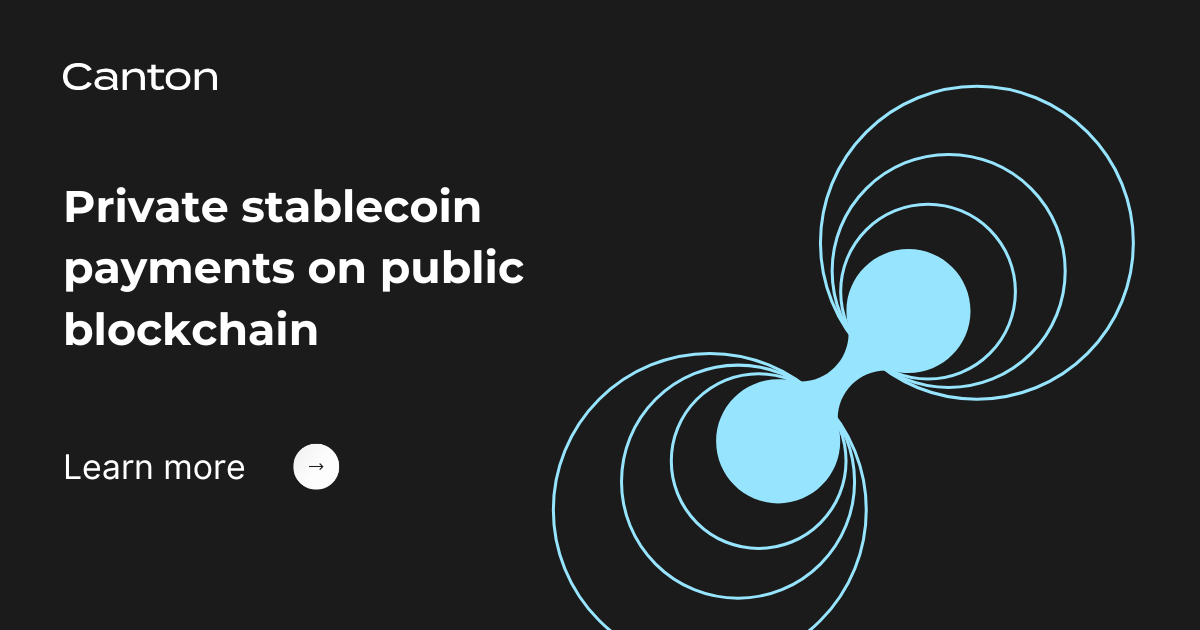
Run transactions through your full pipeline. Verify that minting, transfer, and redemption functions execute without latency or errors. Ensure your private ledger syncs correctly with the underlying blockchain or distributed ledger technology.
Confirm that multi-signature wallets and cold storage solutions are configured according to your risk policy. Test access controls for your treasury operations to ensure no single point of failure exists.
Check that your KYC/AML modules are actively screening transactions against sanctioned lists. Ensure your reporting tools can generate the necessary audit trails for regulators and internal auditors.
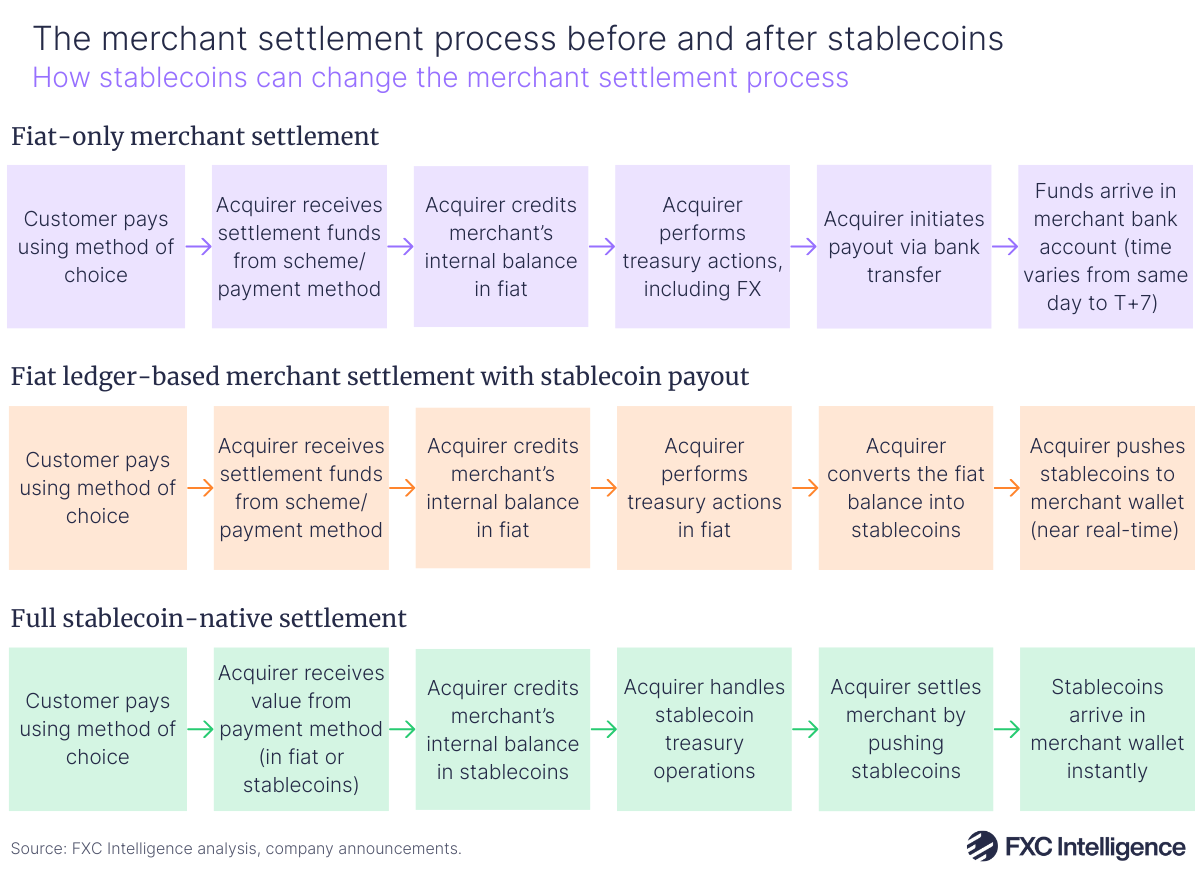
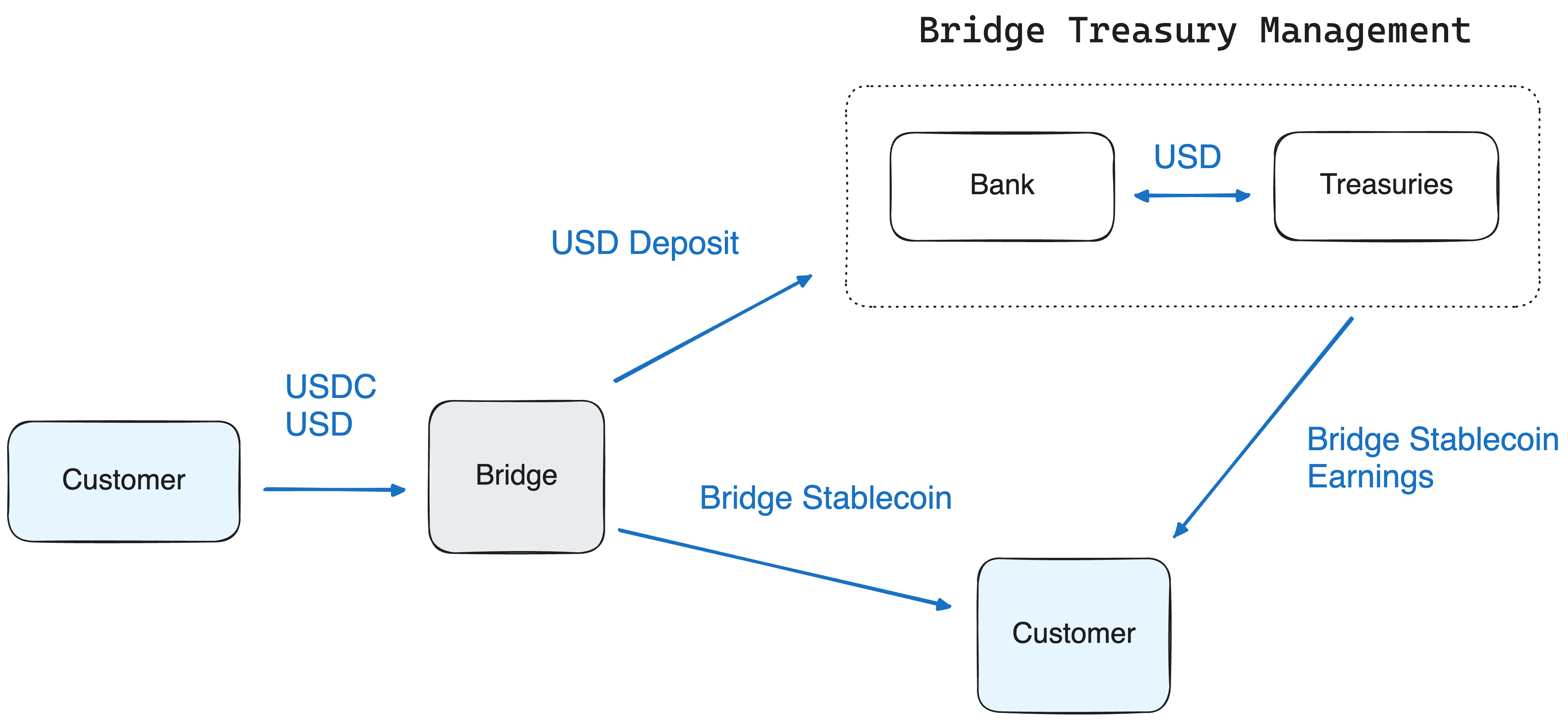
This validation phase ensures your infrastructure is resilient. As noted by Bridge, a robust stablecoin infrastructure requires interconnected layers of blockchains, reserves, and compliance to function correctly.
Common questions about private stablecoins
Enterprises often ask if private stablecoins actually exist and how they differ from public alternatives. The short answer is yes, but they operate on permissioned or hybrid networks designed for institutional compliance rather than public speculation.
Helpful gear
Use these product recommendations as a starting point, then choose the size, material, and price point that fit how you actually use the gear.
- Good starting point
- Matches the article topic

As an Amazon Associate, we may earn from qualifying purchases.
No comments yet. Be the first to share your thoughts!