Define your settlement requirements
Before selecting a vendor or protocol, you must map out exactly how your private stablecoin infrastructure will move value. Stablecoins are not just digital dollars; they are a class of digital assets designed to maintain a steady value pegged to a reference asset, typically fiat currency Barclays. However, unlike traditional wire transfers, stablecoins can be sent between blockchain-based wallet addresses without the counterparties opening a new account at a financial institution McKinsey.
This distinction shifts the burden of settlement from the banking rails to your internal architecture. You need to determine whether your use case prioritizes speed, cost, or regulatory compliance. For enterprise-grade private stablecoin infrastructure, this usually means integrating compliance and monitoring tools that handle identity checks, fraud screening, Anti-Money Laundering (AML) workflows, and on-chain transaction analysis Stripe.
Start by listing your transaction volumes, cross-border requirements, and the specific jurisdictions involved. If you are moving B2B payments, you may need real-time reconciliation of on-chain balances with your internal ERP records. If you are issuing consumer-facing rewards, you might prioritize low-cost micro-transactions over complex compliance layers. Defining these technical constraints early prevents costly re-architecture later.
Choose your issuance model
You can issue your own stablecoin token or rely on a regulated third-party issuer. This decision defines your private stablecoin infrastructure from day one. It determines who holds the license, who manages the reserves, and how fast you can launch.
Issuing your own token gives you full control over the protocol and user experience. You build the smart contracts, manage the reserve accounts, and handle the regulatory reporting yourself. This path is complex. You need legal opinions, banking partnerships, and ongoing compliance audits. It is best for large enterprises with dedicated legal teams and significant capital.
Using a regulated third-party issuer is faster and less risky. You white-label their infrastructure. They handle the licensing, reserve management, and regulatory reporting. You focus on integrating their API into your product. This model reduces your liability but limits your customization. You are dependent on their uptime and compliance standing.
Use the comparison below to weigh the trade-offs for your specific situation.
| Feature | Native Issuance | Third-Party Issuer |
|---|---|---|
| Regulatory Burden | High (direct license required) | Low (partner handles compliance) |
| Time to Market | 6-12 months | 1-3 months |
| Control | Full protocol control | Limited to API features |
| Cost | High (legal, tech, reserves) | Variable (per-transaction fees) |
| Liability | Full legal liability | Shared or limited |
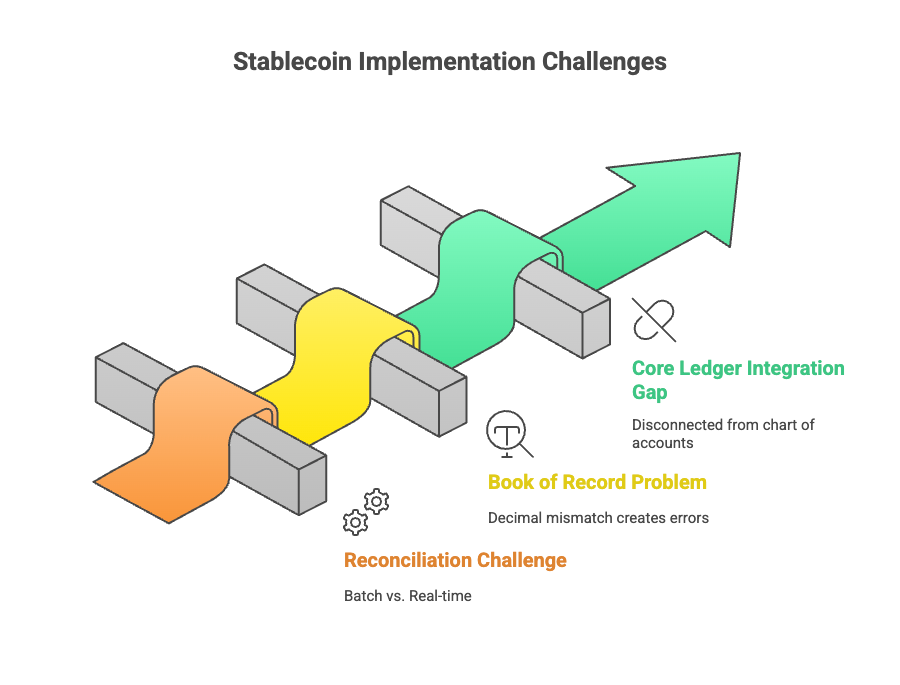
If you choose native issuance, you must build the full stack. This includes the token contract, the reserve management system, and the compliance layer. You will need to integrate with custodians and auditors. Stripe notes that stablecoin infrastructure requires systems to maintain steady value and reliable transfers [1]. You are building that entire system.
If you choose a third-party issuer, you integrate their API. You still need to build your front-end and user experience. But the backend is handled. You pay fees per transaction. This is often the smarter move for startups or enterprises testing the waters.



As an Amazon Associate, we may earn from qualifying purchases.
[1] https://stripe.com/en-de/resources/more/stablecoin-infrastructure-what-businesses-need-to-know
Architect the privacy and security layer
Building private stablecoin infrastructure requires more than just moving value; it demands a system that hides counterparty details while remaining fully auditable for regulators. You need to balance the transparency of the blockchain with the confidentiality required by enterprise clients. This section outlines how to implement zero-knowledge proofs (ZKPs) and permissioned ledgers to achieve that balance.
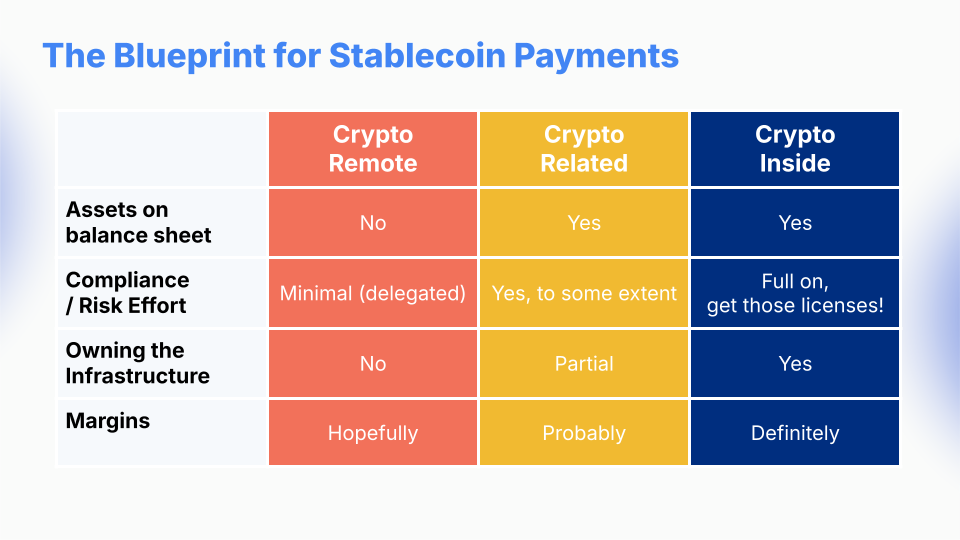
Begin by choosing between zero-knowledge proofs and permissioned ledger architectures. ZKPs allow you to prove a transaction is valid without revealing the sender, receiver, or amount to the public. Permissioned ledgers restrict access to known entities, offering a simpler but less scalable privacy model. For most enterprise use cases involving high-value settlements, ZKPs provide the necessary anonymity while maintaining a public audit trail.
Implement the cryptographic logic that generates these proofs. This step involves creating circuits that validate transaction rules—such as sufficient balance and valid signatures—while keeping the underlying data encrypted. Ensure your stack supports efficient proof generation, as this can impact transaction throughput. Stripe and other infrastructure providers emphasize that the tech stack must include robust offchain systems to handle this computational load before posting the proof to the chain.
Define who can view the plaintext data associated with encrypted transactions. Regulators and auditors need a "god mode" key or a specialized portal to decrypt transaction details for compliance checks like AML and sanctions screening. This access must be strictly logged and time-bound to prevent unauthorized disclosure of sensitive commercial information.
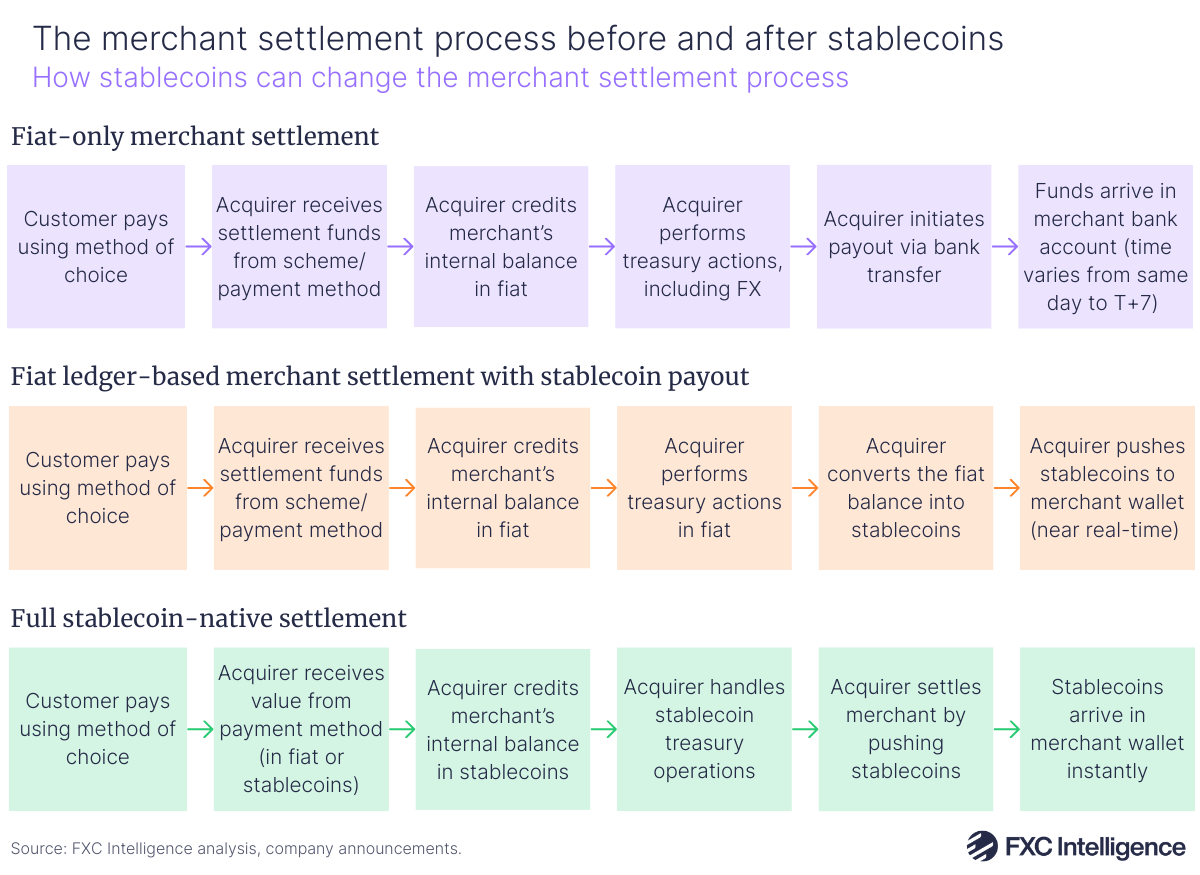
Even though transaction details are hidden, the existence of the transaction must be verifiable. Use Merkle proofs or similar cryptographic commitments to allow auditors to verify that a transaction is part of the ledger without seeing the full history. This ensures that your private stablecoin infrastructure meets regulatory requirements for transparency and integrity, as noted by official industry analyses.
Embed compliance and monitoring tools
Private stablecoin infrastructure must function as a regulated financial system, not just a ledger. This means AML, KYC, and sanctions screening cannot be bolted on after the fact; they must be woven directly into the transaction flow.
Stripe notes that stablecoin infrastructure requires identity checks, fraud screening, and onchain transaction analysis to handle regulated financial systems properly. By embedding these tools, you reconcile onchain balances with internal records in real time, ensuring every transfer meets regulatory expectations. Without this integration, your infrastructure remains exposed to compliance gaps and operational risk.
Identify which user actions trigger compliance checks. Typically, this includes onboarding (KYC), large transfers (AML), and interactions with sanctioned addresses. Map these requirements to specific points in your smart contract or settlement layer so checks happen automatically before funds move.
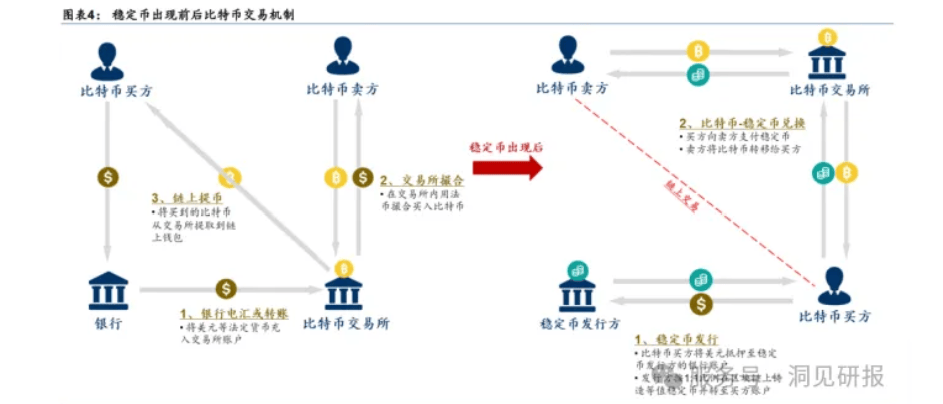
Connect your infrastructure to official screening databases. Use APIs that provide real-time sanctions list updates and identity verification. This ensures that every participant in your private stablecoin ecosystem is vetted against current regulatory lists before they can mint, burn, or transfer tokens.

Deploy blockchain analytics tools to monitor transaction patterns. These tools flag suspicious activity, such as rapid layering or interactions with high-risk addresses. Integrate these alerts into your internal monitoring dashboard so your compliance team can review and act on flagged transactions immediately.

Ensure your internal ledger matches the onchain state. Regular reconciliation prevents discrepancies that could lead to regulatory findings. Automate this process to provide auditable proof that every stablecoin in circulation is backed and accounted for, meeting the transparency standards expected by regulators.
-
KYC data collected before minting
-
Sanctions screening against updated lists
-
AML thresholds defined and enforced
-
Onchain analytics alerts active
-
Reconciliation process automated
Test and launch the infrastructure
Launching private stablecoin infrastructure requires a phased approach that prioritizes stability and compliance over speed. Before moving to full production, you must validate that your system can handle real-world transaction volumes while maintaining strict regulatory adherence.
Begin in a isolated sandbox environment. Test core functions like minting, burning, and transfers against your internal ledger. Verify that identity checks and fraud screening workflows trigger correctly without affecting live user data. This phase ensures your compliance tools function as intended before any real assets are touched.
Select a small group of internal users or trusted partners for a live pilot. Monitor transaction success rates, latency, and reconciliation accuracy. Focus on edge cases like failed transfers or partial settlements to ensure your system can recover gracefully. This step validates the user experience and operational reliability in a low-risk setting.
Roll out the infrastructure to all users while maintaining enhanced monitoring. Keep a rollback plan ready in case of unexpected failures. Ensure your onchain transaction analysis tools are actively flagging suspicious activity. Continuous monitoring is essential to maintain trust and comply with ongoing regulatory requirements.
This phased rollout minimizes risk and ensures that your private stablecoin infrastructure is robust, compliant, and ready for scale. By validating each stage, you protect your organization from operational failures and regulatory penalties.
Frequently asked questions about private stablecoin infrastructure
Here are answers to common questions about private stablecoin infrastructure, based on current industry standards and regulatory expectations.
No comments yet. Be the first to share your thoughts!