Why private stablecoins matter now
The narrative around stablecoins has shifted. While public retail tokens dominate headlines, the real volume in 2026 is moving toward private, permissioned rails. Institutions are no longer satisfied with the transparency of public ledgers; they require infrastructure that protects counterparty data while settling value with the speed of blockchain.
Private stablecoins allow institutions to move value without exposing pricing or balance sheet details to the public. This privacy is not about secrecy—it is about competitive advantage and risk management. As McKinsey notes, these tokens enable next-generation payments by bypassing traditional account-opening friction, but the private variant adds a critical layer of confidentiality for enterprise settlement.
The infrastructure stack has matured to support this shift. It now spans financial operations, custody systems, and compliance tooling that integrate seamlessly with existing enterprise APIs. For finance professionals, the question is no longer whether tokenized cash works, but whether the private infrastructure is ready to handle the scale of global settlement.
The technical stack for private settlement
Private stablecoin infrastructure is not a single product but a layered stack designed to move value with precision. It spans financial operations, blockchain networks, custody systems, compliance tooling, and the APIs that let businesses interact with all of it [Stripe]. For institutions, the goal is to issue, manage, and settle stablecoins without exposing pricing, counterparties, or strategies to the public ledger [Canton Network].
Core Components
The stack rests on three pillars: the settlement layer, the custody layer, and the compliance layer. Each must work in concert to ensure that private transactions remain both secure and auditable.
Settlement Layer
Private settlement typically occurs on permissioned blockchains or via zero-knowledge proofs on public chains. This allows institutions to execute transactions instantly while keeping sensitive data off-chain. The result is programmable privacy with complete composability, meaning stablecoins can move freely across platforms without revealing the underlying business logic [Canton Network].
Custody Layer
Custody solutions are the digital vaults for private stablecoins. They manage the private keys and ensure that only authorized parties can initiate transfers. Modern custody platforms orchestrate stablecoin flows across geographies and partners, providing built-in controls for risk and efficiency [Fireblocks]. Without robust custody, the stability of the token is irrelevant because the access controls are the first line of defense.
Compliance Layer
Compliance is not an afterthought; it is baked into the infrastructure. Automated checks ensure that transactions meet regulatory standards before they are settled. This layer integrates with off-chain systems to verify identities and monitor for suspicious activity, ensuring that the private stablecoin remains within legal boundaries [Chainlink].

The interplay between these layers determines the viability of private stablecoin infrastructure. Settlement provides the speed, custody provides the security, and compliance provides the legitimacy. Together, they form a resilient system for modern finance.
Why enterprises are building private stablecoin infrastructure
The shift toward private stablecoin infrastructure is no longer speculative; it is driven by the tangible inefficiencies of legacy payment rails. For finance professionals, the appeal lies in programmability and speed. Unlike traditional wire transfers that settle over days, stablecoins pegged to the dollar enable real-time settlement, drastically reducing the capital tied up in float and reconciliation processes.
This efficiency is particularly critical for cross-border operations. As noted by McKinsey, stablecoins can move value between blockchain-based wallet addresses without requiring the parties to open accounts at a traditional financial institution. This bypasses the correspondent banking network, lowering transaction costs and eliminating the friction of multiple intermediary checks. Morgan Stanley highlights that integrating these assets into programmable infrastructures allows businesses to automate payments, turning settlement into an instantaneous event rather than a delayed administrative task.
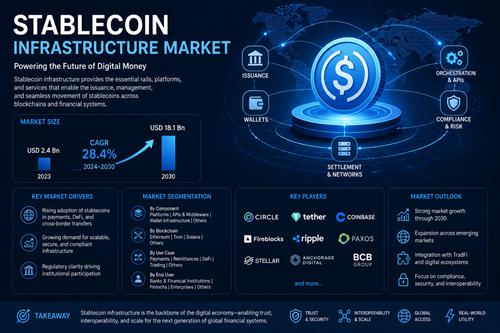
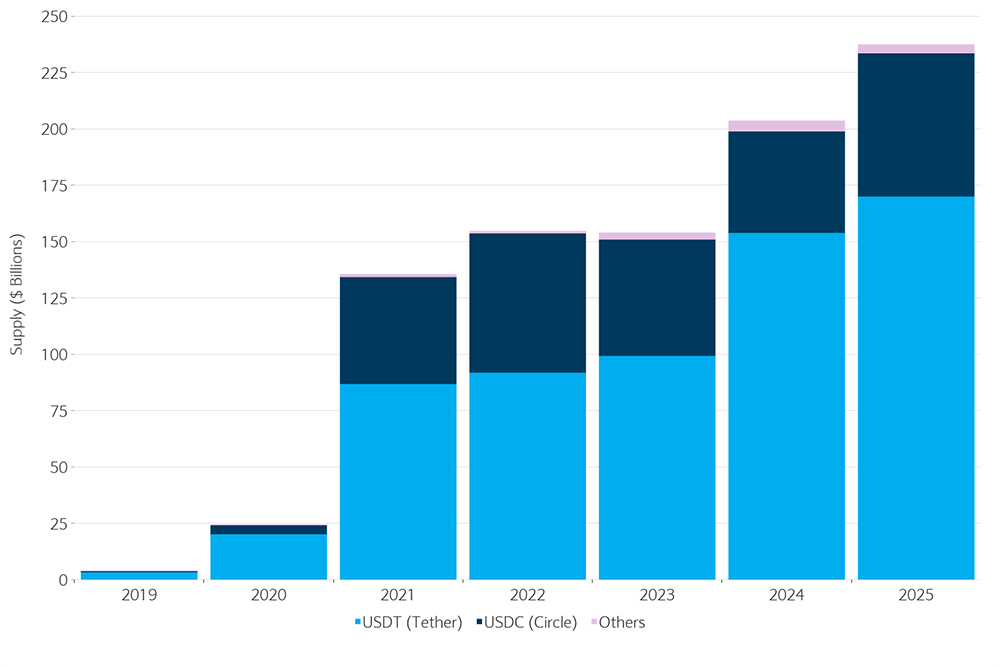
Regulatory clarity in 2026 further accelerates adoption. With major stablecoins like USD Coin (USDC) and Tether (USDT) issued by regulated fintechs that manage reserves and promise 1:1 redemption, enterprises have a compliant foundation to build upon. The infrastructure stack—spanning custody, compliance tooling, and APIs—has matured enough to support institutional-grade security. This combination of real-time settlement, cross-border ease, and regulatory grounding makes private stablecoin infrastructure a core component of modern financial strategy.
Leading private stablecoin infrastructure providers
The market for private stablecoin infrastructure is consolidating around a few specialized vendors that can bridge the gap between traditional compliance and blockchain programmability. For enterprises, the choice of provider determines not just how tokens move, but how privacy is maintained without sacrificing auditability. The leading solutions focus on orchestration, privacy-preserving computation, and seamless integration with existing financial rails.
Fireblocks has positioned itself as a central hub for stablecoin flows, offering built-in controls for compliance and risk management across multiple platforms and geographies. Their infrastructure is designed to orchestrate complex value movements while maintaining strict operational boundaries, making it a strong candidate for institutions needing to manage multi-chain stablecoin exposure without exposing counterparty details.
On the privacy front, Canton Network offers a distinct approach by enabling private stablecoin payments on public blockchains. Their solution provides programmable privacy, allowing entities to transact without exposing pricing, counterparties, or trading strategies. This level of confidentiality is critical for high-value institutional players who require composability with public networks but cannot tolerate the transparency of standard public ledgers.
To help visualize the trade-offs between these infrastructure models, the table below compares their primary capabilities regarding privacy, compliance, and integration complexity.
| Provider | Privacy Model | Compliance Focus | Integration Type |
|---|---|---|---|
| Fireblocks | Built-in controls & risk limits | Cross-platform orchestration | API-driven multi-chain |
| Canton Network | Programmable privacy on public chains | Counterparty visibility control | Composable private network |
| Chainlink | Oracle-mediated data feeds | Offchain system reliability | Smart contract oracles |
| Stripe | Fintech-layer abstraction | Business-ready transfers | Standardized API stack |
How to implement private stablecoin infrastructure
Building private stablecoin infrastructure requires more than just connecting an API. It involves aligning blockchain networks, custody solutions, and compliance tools into a single operational workflow. The goal is to maintain steady value and reliable transfers while keeping transaction data private from the public ledger.
Start by defining your regulatory requirements. You need to select custody providers that meet your security standards and ensure your infrastructure can handle identity verification (KYC) and transaction monitoring (AML) seamlessly.
Choose a blockchain that supports privacy features, such as zero-knowledge proofs, to keep transaction details off the public eye. Ensure the token standard aligns with your existing financial systems and allows for easy integration.
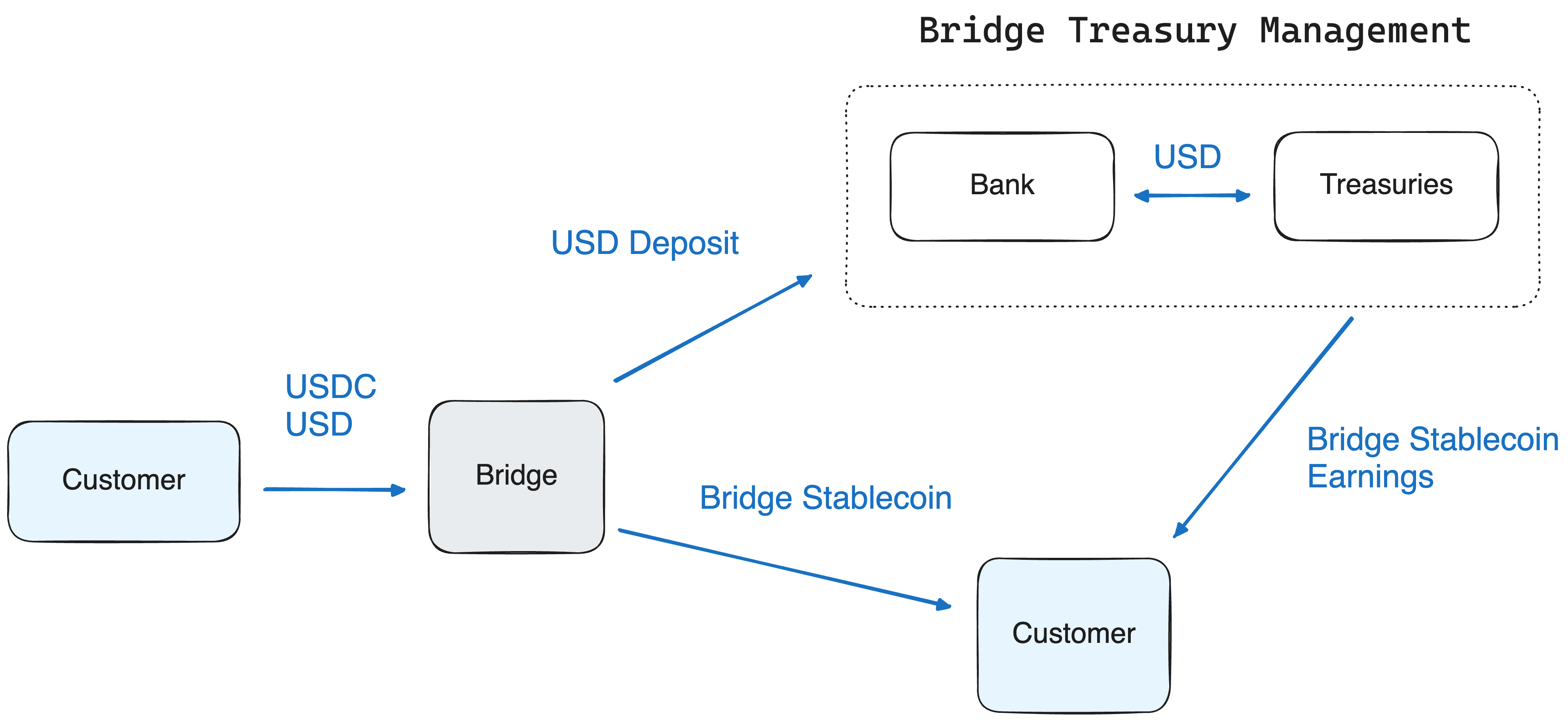
Connect your treasury and payment systems to the stablecoin network. This step ensures that your reserve assets are managed correctly and that payments settle in real-time without exposing sensitive financial data to the public.
By following these steps, you can build a robust private stablecoin infrastructure that supports your business goals while maintaining strict compliance and security standards.
Frequently asked: what to check next
Are there any private stablecoins?
Yes. The majority of the most popular stablecoins are issued by private fintech companies rather than central banks. USD Coin (USDC) is issued by Circle, and Tether (USDT) comes from Tether Limited. These private entities create tokens in exchange for fiat deposits, manage the underlying reserves, and promise 1:1 redemption to maintain the peg.
What constitutes stablecoin infrastructure?
Stablecoin infrastructure is the technological stack that keeps these assets functioning. It spans financial operations, blockchain networks, custody systems, compliance tooling, and the APIs businesses use to interact with the ecosystem. As Stripe notes, this infrastructure is essential for maintaining steady value and reliable transfers.
Why does privacy matter in stablecoin infrastructure?
Private stablecoin infrastructure often caters to institutional needs where transaction confidentiality and regulatory compliance are paramount. Unlike public ledgers where every transfer is visible, private infrastructure allows for permissioned access, ensuring that sensitive financial data remains secure while still leveraging the speed and efficiency of blockchain technology.
Helpful gear
Use these product recommendations as a starting point, then choose the size, material, and price point that fit how you actually use the gear.
- Good starting point
- Matches the article topic

As an Amazon Associate, we may earn from qualifying purchases.
No comments yet. Be the first to share your thoughts!