Define your settlement requirements
Private stablecoins are issued by non-government entities. Unlike CBDCs, they carry no sovereign guarantee, requiring rigorous reserve verification.
Before selecting a blockchain or token standard, you must map your current settlement pain points. Treasury teams should assess stablecoins specifically for real-world use cases like cross-border payouts and supplier payments, rather than speculative trading. Start by listing the jurisdictions your counterparties operate in, as regulatory compliance dictates which chains are viable.
Next, define your liquidity management needs. Determine the maximum transaction volume you expect per day and the acceptable latency for finality. If your business requires instant settlement, a high-throughput L2 or dedicated enterprise chain may be necessary. If cost-efficiency for bulk payments is the priority, lower-cost L1s might suffice.
Finally, establish your technical constraints. Identify which wallets your ERP or accounting systems can integrate with. Ensure your internal teams have the security protocols to manage private keys or that you are selecting a custodian that meets your insurance and audit standards. This foundational work prevents costly re-architecture later.
Select the right blockchain network
Choosing a blockchain for private stablecoin settlement is less about hype and more about matching the rail to your transaction volume. A high-frequency treasury operation needs a different architecture than a quarterly cross-border payroll run. You need a network that offers predictable costs and finality without compromising on compliance.
Layer 1 (L1) networks like Ethereum provide the highest level of security and decentralization, making them ideal for large-value settlements where trust minimization is paramount. However, this security comes with higher gas fees and slower throughput. Layer 2 (L2) solutions, such as Arbitrum or Optimism, settle transactions on L1 but process them off-chain, offering significantly lower costs and faster speeds. For most enterprise use cases involving high-volume, lower-value payments, L2s often provide the necessary efficiency.
The decision ultimately rests on your specific risk tolerance and volume requirements. Below is a comparison of the leading options to help you evaluate the trade-offs between cost, speed, and enterprise support.
| Network | Finality | Avg. Tx Cost | Enterprise Support |
|---|---|---|---|
| Ethereum L1 | ~15 mins (12 blocks) | $1–$50+ | High (Institutional grade) |
| Polygon PoS | ~2 mins | <$0.01 | High (Visa, Starbucks) |
| Arbitrum One | ~10–15 mins | <$0.01 | Medium (Growing DeFi) |
| Solana | ~400 ms | ~$0.00025 | Medium (High throughput) |
Verify reserve backing and regulatory compliance
Before integrating a private stablecoin into enterprise settlement rails, you must confirm that the issuer’s financial foundations are both solvent and compliant. Unlike traditional banking ledgers, stablecoin reserves are often held in a mix of cash, money market funds, and commercial paper, making transparency non-negotiable for high-stakes operations. The following steps outline the mandatory due diligence process to ensure your settlement infrastructure rests on 100% verified backing.
Begin by reviewing the issuer’s latest attestation report. You are looking for a strict 1:1 backing ratio where liabilities are fully covered by high-quality liquid assets (HQLA). Verify that reserves are held with regulated custodians separate from the issuer’s operating accounts to prevent commingling. Check that the report explicitly details the percentage of cash versus short-term government securities, as recommended by the SEC’s stablecoin regulatory framework.
Monthly attestations are the industry standard, but you must verify the auditor’s independence. Ensure the review is conducted by a third-party accounting firm with no financial ties to the stablecoin issuer. Look for "qualified" opinions in the audit report, which can signal missing documentation or restricted assets. For enterprise-grade settlement, demand quarterly full-scope audits rather than limited-scope reviews to catch discrepancies early.

Test the practical ability of users to redeem tokens for fiat at face value. Check the issuer’s smart contract architecture or legal terms to ensure that redemption requests are processed within the promised timeframe (typically 1-2 business days). Verify that the peg is maintained through transparent market mechanisms and that the issuer has sufficient liquidity buffers to handle extreme market stress without devaluing the reserve assets.
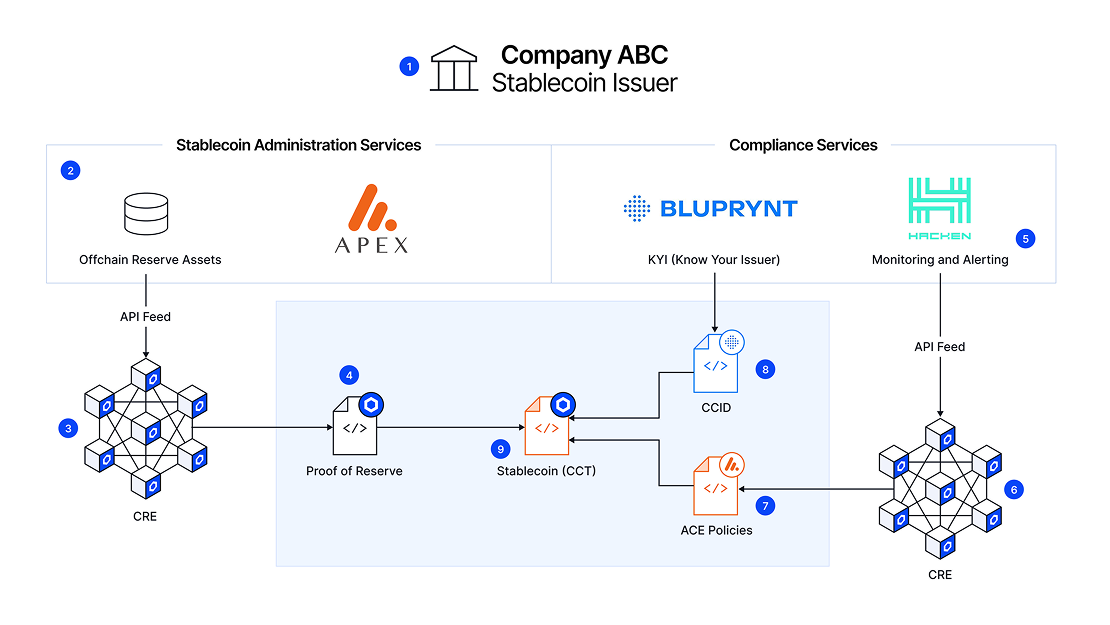
Ensure the stablecoin issuer holds the necessary money transmitter licenses or banking charters in the jurisdictions where you operate. Review their compliance with the Bank Secrecy Act (BSA) and Anti-Money Laundering (AML) standards. If the issuer is operating under emerging state-level frameworks (like the New York BitLicense), verify that their compliance program meets the specific capital and reserve requirements mandated by that regulator.
Compliance is not a one-time check. Set up automated alerts for any changes in the issuer’s reserve composition or audit reports. Subscribe to regulatory updates from the SEC and FinCEN to anticipate shifts in stablecoin policy. Integrate the issuer’s on-chain reserve data into your internal risk dashboard to monitor liquidity health in real-time, ensuring that any deviation from the 100% backing ratio triggers an immediate halt in settlement activity.
Integrate wallet and payment infrastructure
Private Stablecoin works best as a sequence, not a scramble through settings. Do the minimum first: confirm compatibility, connect the core hardware, update only when needed, and test the result before adding optional features. That order keeps the task understandable and makes failures easier to isolate. After each step, pause long enough for the interface to finish syncing. Many setup problems are timing problems disguised as configuration problems. If the same step fails twice, record the exact error, restart the smallest affected piece, and retry before moving deeper.

Common Implementation Mistakes in Private Stablecoin Settlement
Even with a solid technical foundation, private stablecoin projects often stumble on operational and regulatory details. Avoiding these pitfalls is essential for maintaining trust and ensuring smooth settlement rails. Here are the most frequent errors and how to sidestep them.
Ignoring Gas Fee Volatility
Failing to account for blockchain network congestion can turn a low-cost transaction into an expensive one. When the network is busy, gas fees spike, eroding the margin on micro-transactions. Build a buffer into your cost model or use layer-2 solutions to mitigate this risk. Don't assume static fees; monitor real-time network conditions.
Underestimating Regulatory Shifts
Regulatory frameworks for private stablecoins are evolving rapidly. What is compliant today might be restricted tomorrow. Stay updated with official guidance from bodies like the SEC or FINRA. Relying on outdated interpretations can lead to costly compliance failures. Prioritize ongoing legal review over one-time setup.
Overlooking Liquidity Fragmentation
Spreading liquidity across too many chains or exchanges can lead to slippage and failed settlements. Concentrate liquidity on the primary rails your enterprise partners use. Test cross-chain bridges thoroughly, as they introduce additional points of failure. Keep it simple: fewer chains, deeper liquidity.
Neglecting Reconciliation Processes
Automated settlements still require robust reconciliation. Mismatches between on-chain data and off-chain records can cause accounting errors. Implement real-time monitoring tools that flag discrepancies immediately. Manual reconciliation should be a last resort, not the primary method.
Skipping Stress Testing
Assuming your system will handle peak load without testing is a dangerous gamble. Simulate high-volume transaction periods to identify bottlenecks. Use stress tests to validate your infrastructure's resilience against sudden spikes in demand. This preparation prevents downtime during critical settlement windows.
Frequently asked questions about private stablecoins
Private stablecoins are digital assets issued by non-governmental entities, including fintech firms and crypto companies, rather than central banks. Unlike central bank digital currencies (CBDCs), these tokens carry no government guarantee, meaning users assume the risk of the issuer's solvency and regulatory compliance [src-serp-2].
Banks often resist private stablecoins because they compete with traditional settlement rails and introduce unregulated liquidity into the financial system. This friction stems from concerns over anti-money laundering (AML) controls and the potential for shadow banking activities that bypass established financial oversight [src-serp-5].
Helpful gear
Use these product recommendations as a starting point, then choose the size, material, and price point that fit how you actually use the gear.



As an Amazon Associate, we may earn from qualifying purchases.
No comments yet. Be the first to share your thoughts!