Get private stablecoin infrastructure right
Before launching, align your technical stack with regulatory expectations. Private stablecoins operate on public blockchains but require off-chain privacy layers to protect counterparty data and trading strategies. You must decide early whether your system prioritizes programmable privacy or strict institutional compliance, as these choices dictate your entire architecture.
Verify your legal structure
Choose a jurisdiction that explicitly supports tokenized assets. The US, Switzerland, and Singapore offer clearer frameworks for private stablecoin issuance. Avoid regions with ambiguous securities laws. Your legal entity must be registered to hold fiat reserves and issue digital tokens. This structure determines your reporting obligations and audit requirements.
Select your privacy layer
Public blockchains expose all transactions. For private stablecoins, you need a zero-knowledge proof (ZKP) system or a permissioned sidechain. Canton Network, for example, allows stablecoins to move freely without exposing pricing or counterparties. This ensures composability while keeping sensitive data off-chain. Do not rely on simple address obfuscation; it is not sufficient for institutional grade privacy.
Design the compliance pipeline
Automate KYC/AML checks at the wallet level. Every transaction must be screened against sanctions lists before settlement. Integrate with established providers like Chainalysis or Elliptic. Your system should block transactions from high-risk addresses automatically. This pipeline must be auditable by regulators without revealing your entire user base.
Test the settlement flow
Run end-to-end tests with real fiat on-ramps and off-ramps. Verify that tokens mint only when fiat is held in reserve. Test edge cases: failed KYC, insufficient reserves, and network congestion. Your system must handle these gracefully without exposing user data. A single bug in the mint/burn logic can lead to regulatory penalties or loss of trust.
Audit your code and reserves
Hire a reputable firm to audit your smart contracts. They should verify that the privacy layer does not introduce new vulnerabilities. Simultaneously, arrange for monthly reserve attestations. Your investors and regulators will demand proof that every token is backed 1:1. This is not optional; it is the foundation of your infrastructure.
Work through the steps
Private Stablecoin Infrastructure works best as a clear sequence: define the constraint, compare the realistic options, test the tradeoff, and choose the path with the fewest hidden costs. That order keeps the advice usable instead of decorative. After each step, pause long enough to check whether the recommendation still fits the reader's actual situation. If it depends on perfect timing, unusual access, or a best-case budget, include a simpler fallback.
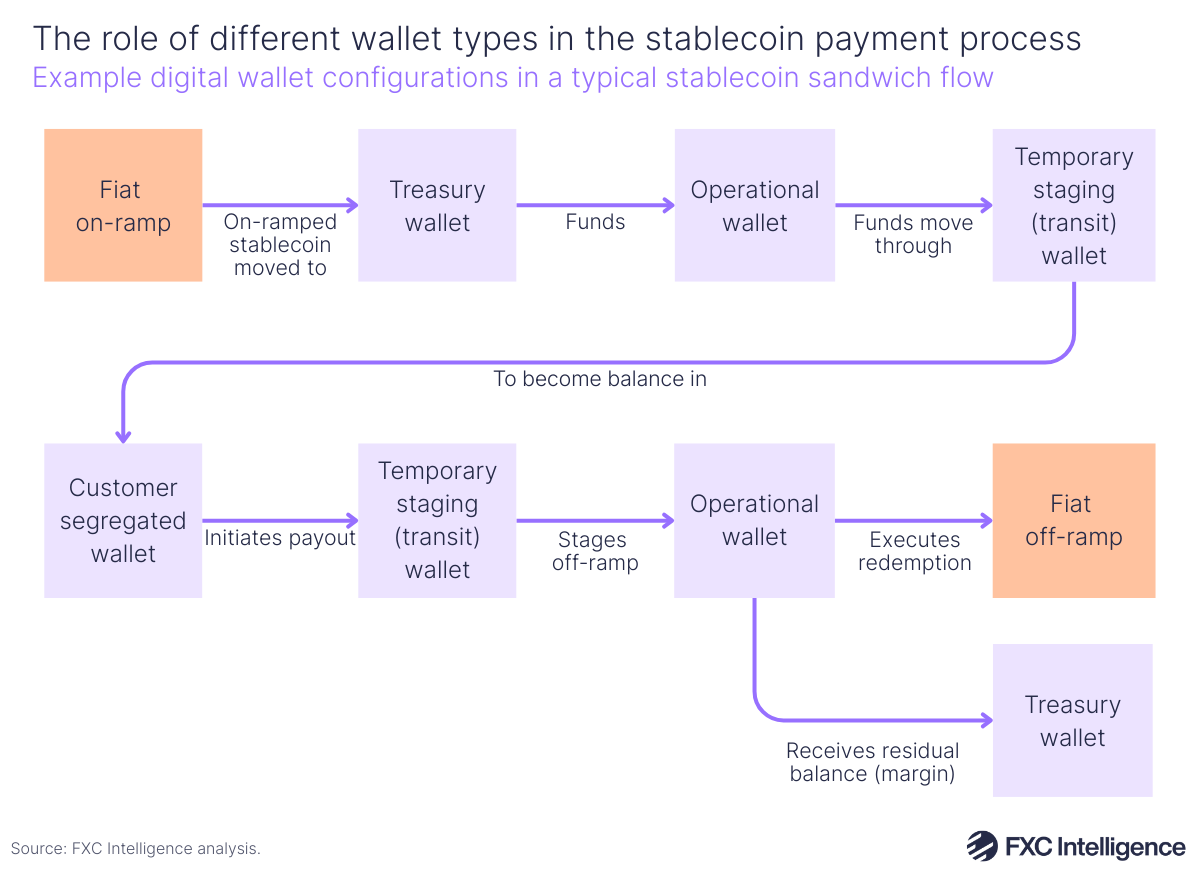

Fixing Common Mistakes in Private Stablecoin Infrastructure
Building private stablecoin infrastructure for settlement and compliance often fails due to architectural oversights rather than code bugs. The most frequent error is treating privacy as an afterthought rather than a foundational layer. When privacy protocols are bolted onto existing public blockchain frameworks, the result is often compromised data integrity or excessive latency.
Another critical mistake is underestimating the complexity of cross-chain interoperability. Infrastructure that works seamlessly on a single chain often breaks when interacting with external ledgers. This fragmentation leads to settlement delays and increased operational risk. Teams must prioritize standardized messaging protocols early in the design phase to ensure smooth asset movement across diverse environments.
Finally, many projects neglect the regulatory reporting layer until the final stages of development. Compliance cannot be retrofitted into a privacy-first system without significant re-engineering. Integrating on-chain analytics and identity verification tools from the start ensures that settlement data remains auditable without exposing sensitive counterparty information.
To avoid these pitfalls, focus on three core principles:
- Embed Privacy from the Start: Use zero-knowledge proofs or similar technologies to ensure data confidentiality without sacrificing transparency for auditors.
- Standardize Interoperability: Adopt widely accepted messaging standards to facilitate seamless cross-chain transactions and reduce settlement friction.
- Integrate Compliance Early: Build on-chain analytics and identity verification into the core architecture to maintain auditability and regulatory adherence.
By addressing these common mistakes upfront, you can build a robust, efficient, and compliant private stablecoin infrastructure that stands the test of time.
Private stablecoin infrastructure: practical: what to check next
Before committing to a private stablecoin stack, teams need to resolve the tension between operational privacy and regulatory transparency. The following questions address the most common objections regarding compliance, settlement, and technical architecture.
Key Takeaways
- Privacy is achieved through cryptographic proofs, not just obscurity.
- Settlement finality relies on the underlying blockchain layer.
- Oracle reliability is a compliance and stability requirement.
- Metadata analysis remains the biggest privacy risk on public chains.
Helpful gear
Use these product recommendations as a starting point, then choose the size, material, and price point that fit how you actually use the gear.
- Good starting point
- Matches the article topic

As an Amazon Associate, we may earn from qualifying purchases.
No comments yet. Be the first to share your thoughts!