Get private stablecoin infrastructure right
Before deploying capital, you must align technical rails with regulatory requirements. Private stablecoin infrastructure isn't just about moving funds; it's about maintaining auditability and compliance within a closed or permissioned loop. Without this foundation, settlement speed becomes a liability rather than an asset.
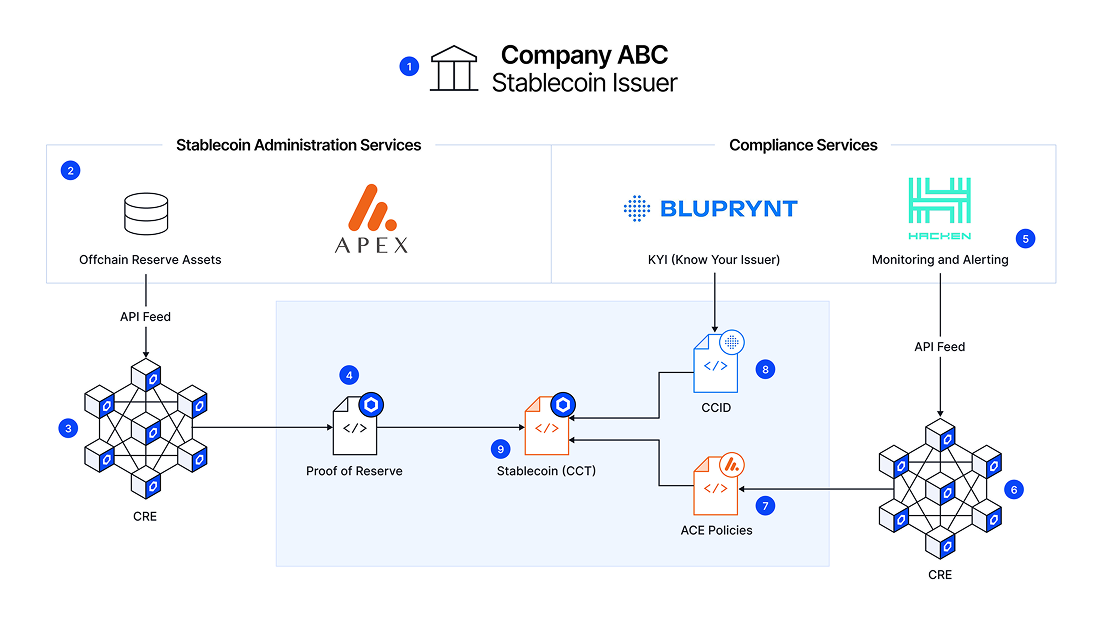
Choose between a fully permissioned network (Canton, Quorum) or a permissioned layer on public chains (Polygon CDK, Avalanche Subnets). Permissioned networks offer stricter identity verification but lower liquidity. Public chains offer depth but require robust off-ramp controls.

Stablecoins touch regulated financial systems, so infrastructure must include real-time AML and sanctions screening. Tools like Chainalysis or Elliptic integrate directly into wallet providers to freeze addresses before transactions settle. This is non-negotiable for enterprise adoption.
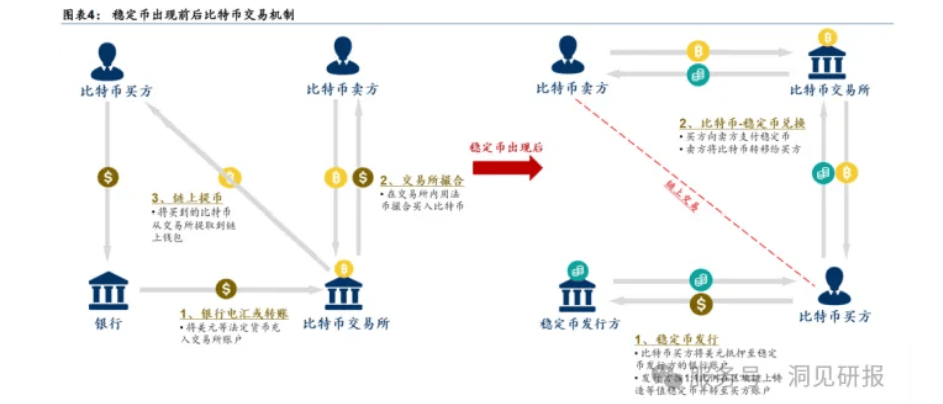
Use institutional-grade custody like Fireblocks or Copper. These platforms provide multi-party computation (MPC) and hardware security modules (HSMs) to manage keys. Avoid self-custody for enterprise treasury operations; the risk of key loss is too high.
Ensure your internal ERP or general ledger can reconcile onchain balances in real-time. Discrepancies between internal records and blockchain state create audit nightmares. Automate this reconciliation through API integrations with your stablecoin issuer.
The goal is real-time settlement without sacrificing control. By following these steps, you ensure that your infrastructure supports both speed and compliance.
Build your private stablecoin settlement stack
Setting up a private stablecoin infrastructure requires more than choosing a token; it demands a secure operational backbone. Unlike public payments, enterprise settlement relies on permissioned access, strict compliance monitoring, and real-time reconciliation. This guide walks you through the five essential steps to build a compliant, private settlement layer.
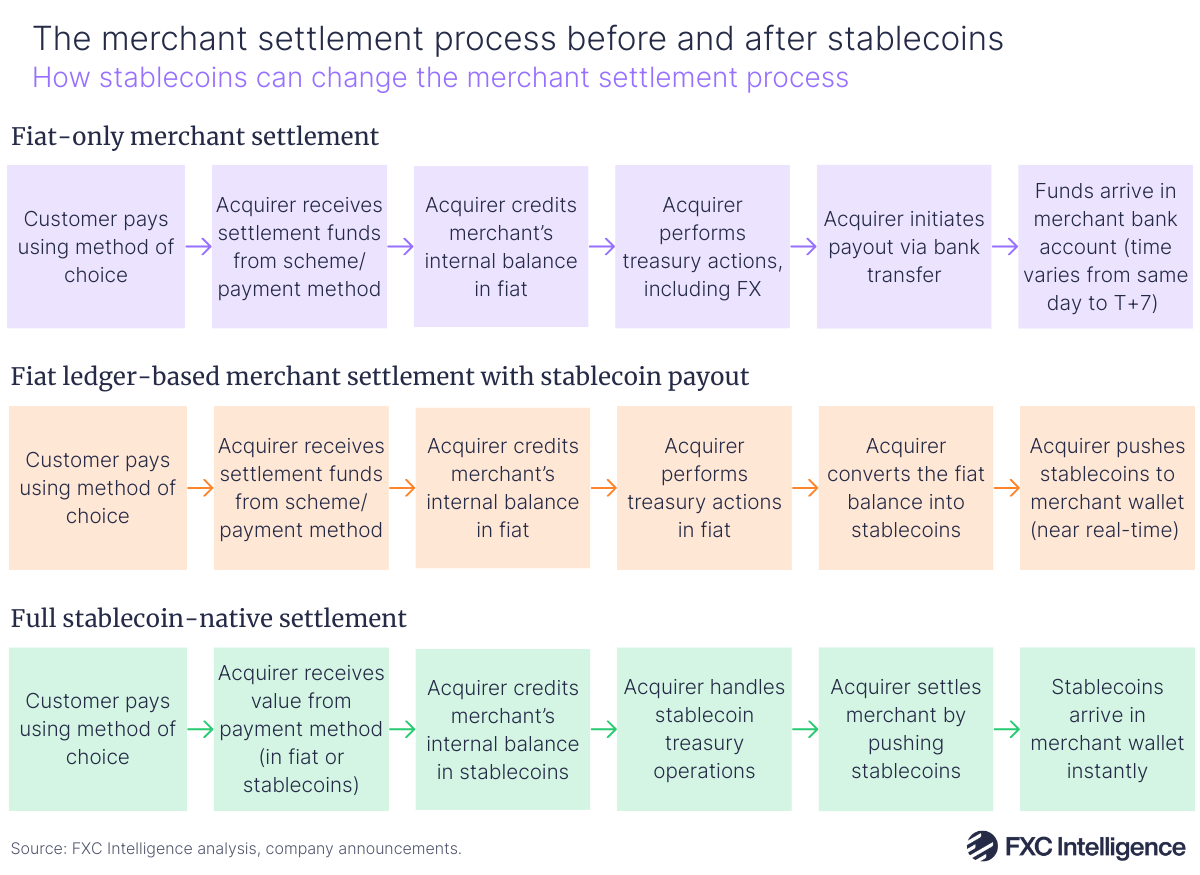
Before touching any code, map the regulatory requirements for your specific use case. Private stablecoins often fall under money transmitter laws or specific stablecoin regulations depending on your jurisdiction. Identify which Anti-Money Laundering (AML) and Know Your Customer (KYC) checks are mandatory for your issuers and participants. This perimeter dictates who can hold wallets and how transactions are monitored.
Choose a blockchain environment that supports privacy and access controls. Public blockchains expose transaction data to everyone, which is unsuitable for sensitive corporate settlements. Permissioned ledgers or privacy-preserving networks like Canton allow enterprises to optimize liquidity and settle FX in real-time while maintaining control over visibility. Ensure the layer supports smart contract capabilities for automated compliance checks.
Security is the foundation of private infrastructure. Use multi-party computation (MPC) or hardware security modules (HSM) for key management. This prevents any single point of failure and ensures that transaction signing requires multiple authorized approvals. Integrate with institutional custody providers that offer segregated assets and insurance coverage. This step protects your enterprise from both external hacks and internal fraud.
Set up continuous monitoring tools that analyze on-chain transactions for suspicious activity. These tools must reconcile on-chain balances with your internal records in real time. Configure alerts for sanctions screening and unusual transaction patterns. This integration ensures that your private stablecoin infrastructure remains compliant with AML workflows and provides the audit trails required by regulators.
Before scaling, test the infrastructure with a closed group of internal users. Process small-scale settlements between departments or trusted partners. Measure settlement speeds, failure rates, and compliance false positives. This pilot helps you refine the user experience and identify technical bottlenecks without exposing the system to external risk.


As an Amazon Associate, we may earn from qualifying purchases.
Common Mistakes in Private Stablecoin Infrastructure
Building private stablecoin infrastructure requires precision. One misstep in compliance or technical design can halt settlement or trigger regulatory penalties. Below are the most frequent errors enterprises make when deploying these systems, along with practical fixes.
Ignoring Real-Time Compliance Integration
Many teams treat compliance as a post-transaction audit. This is a critical error. Stablecoins move in seconds, but traditional AML checks often take hours. If your infrastructure cannot screen transactions in real-time, you risk settling funds with sanctioned entities or fraudulent actors before anyone notices.
The Fix: Embed compliance tools directly into the settlement rail. Use on-chain transaction analysis and identity verification APIs that block or flag suspicious transfers instantly. As noted by industry experts, infrastructure must handle "identity checks, fraud screening, Anti-Money Laundering (AML) and sanctions workflows" simultaneously with the transfer itself.
Overlooking Reconciliation Gaps
A second common mistake is assuming on-chain balances match internal ledgers automatically. They do not. Network fees, failed transactions, and timing delays create discrepancies. If your system doesn’t reconcile these daily, your treasury reports will be inaccurate, leading to liquidity shortfalls or overestimation of available funds.
The Fix: Implement automated reconciliation bots that compare on-chain data with your internal accounting records every hour. Alert finance teams immediately when deviations exceed a set threshold. This ensures your "internal records" always reflect reality, not just a snapshot from yesterday.
Underestimating Interoperability Needs
Enterprises often build siloed stablecoin systems that only work on one blockchain. This limits utility. If your client uses a different chain, you cannot settle with them directly. This creates friction and forces unnecessary conversions, eroding the value proposition of real-time settlement.
The Fix: Design for multi-chain compatibility from day one. Use cross-chain bridges or atomic swaps that allow seamless movement between major networks. This ensures your infrastructure can "settle across geographies by cutting out intermediaries," as promised by leading stablecoin providers.
Neglecting Private Key Security
In private stablecoin setups, key management is paramount. Storing keys in standard cloud storage or using weak access controls invites theft. A single compromised key can drain the entire treasury. This is not a theoretical risk; it is a daily threat vector.
The Fix: Use hardware security modules (HSMs) or multi-signature wallets requiring multiple approvals for large transfers. Limit access to only those who need it, and rotate keys regularly. Treat your private keys like physical vault keys: never leave them unattended.
Private stablecoin infrastructure: what to check next
Stablecoin infrastructure refers to the technical systems, APIs, wallets, and protocols that enable businesses to accept, hold, send, and manage stablecoin assets. Because these assets touch regulated financial systems, the infrastructure must also include compliance and monitoring tools. These tools handle identity checks, fraud screening, Anti-Money Laundering (AML) workflows, and onchain transaction analysis while reconciling balances with internal records [src-6].
Private stablecoins are now available for enterprise use. Networks like Canton allow enterprises to issue and access stablecoins that move freely without exposing pricing, counterparties, or strategies. This programmable privacy enables real-time settlement for FX and treasury operations while maintaining the control and visibility required by institutional standards [src-3].
Stablecoins are digital assets pegged to a reference asset, typically fiat currency, to maintain a steady value. They enable real-time settlement across geographies by cutting out intermediaries and running on 24/7 blockchain rails [src-1]. Unlike traditional transfers, stablecoins can be sent between blockchain wallet addresses without requiring the owners to open a traditional financial institution account, reducing friction in cross-border payments [src-2].
No comments yet. Be the first to share your thoughts!