Define your settlement requirements
Before selecting a private stablecoin platform, you must map your specific settlement needs. The architecture that works for cross-border B2B payments differs significantly from treasury management or internal payroll. Starting with a clear use case prevents over-engineering and ensures your compliance controls match the actual risk profile.
1. Identify the primary use case
Determine whether your infrastructure supports cross-border trade, B2B invoicing, or treasury operations. Each scenario carries distinct regulatory requirements. Cross-border payments often trigger strict Anti-Money Laundering (AML) and sanctions screening needs, while treasury functions may prioritize liquidity management and yield generation over transactional privacy.
2. Map privacy and compliance controls
Private stablecoins allow you to hide counterparty details on-chain while maintaining full visibility for regulators. Define your privacy needs early. You need to decide which data remains public and which is encrypted. This decision dictates the technology stack, particularly whether you need zero-knowledge proofs or permissioned ledgers.
3. Assess integration complexity
Evaluate how the new system connects with existing enterprise resource planning (ERP) and accounting software. If your team relies on legacy systems, you may need middleware to reconcile on-chain balances with internal records. This step ensures that the stablecoin infrastructure functions as a seamless extension of your current financial operations rather than a siloed experiment.
4. Validate regulatory jurisdiction
Identify the jurisdictions where your settlement network will operate. Regulations vary significantly between regions, affecting everything from data residency to consumer protection laws. Ensure your chosen infrastructure can enforce geofencing and identity verification requirements specific to each market you serve.
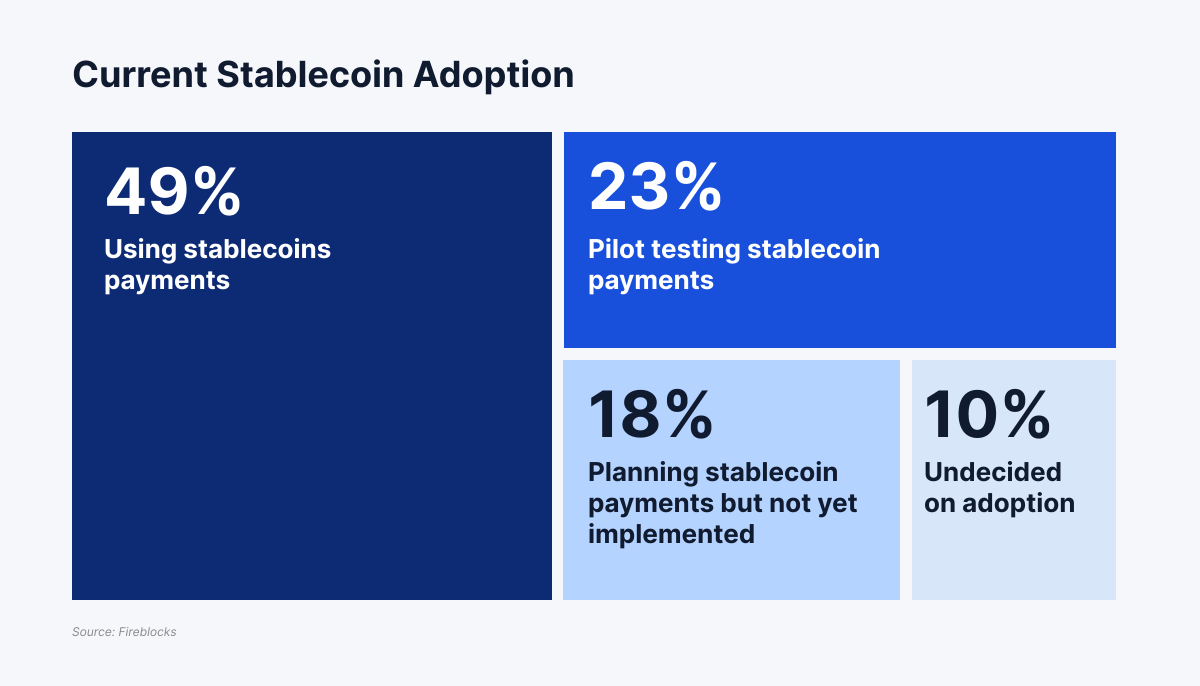
Write a one-page summary of the primary settlement flow, including parties involved, currency pairs, and settlement frequency.
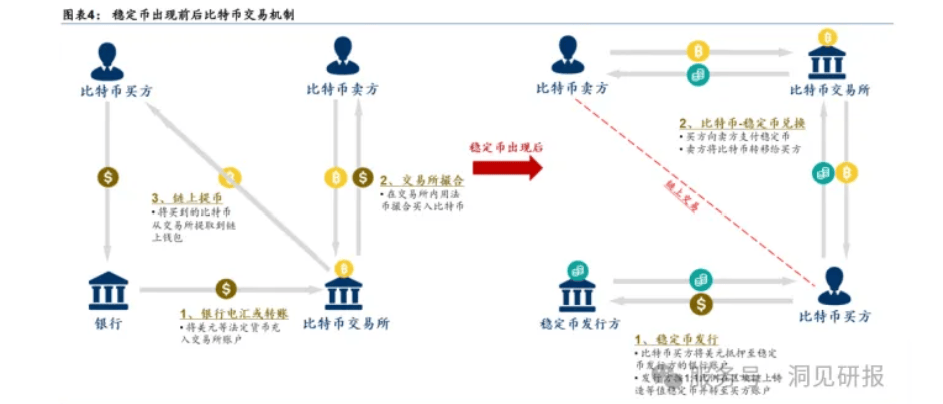
Identify all AML, KYC, and sanctions screening obligations based on the jurisdictions and transaction types identified in step one.
Determine the minimum data visibility required for regulators versus the maximum privacy needed for commercial confidentiality.
Select compliant custody and settlement rails
Custody is the backbone of private stablecoin infrastructure. Unlike public tokens, enterprise settlement requires institutional-grade security and regulatory compliance. You need a solution that supports private transactions while meeting the strict standards of legal and compliance teams.
Start by evaluating security audits. Leading providers undergo regular third-party audits to ensure their hardware security modules (HSMs) and multi-party computation (MPC) protocols are robust. These audits verify that private keys are never exposed in plaintext. This layer of protection is non-negotiable for enterprise adoption.
Next, verify regulatory licensing. Your custody provider must be licensed in the jurisdictions where you operate. Look for compliance with Bank Secrecy Act (BSA) and Anti-Money Laundering (AML) regulations. Providers like Fireblocks and Bridge offer infrastructure that integrates these compliance workflows directly into the transaction layer, reducing your operational burden.
Finally, assess integration ease. Your custody solution must interface seamlessly with your existing ERP and treasury management systems. APIs should support automated reconciliation and real-time balance reporting. This ensures that your internal records match onchain balances accurately, which is critical for financial auditing.
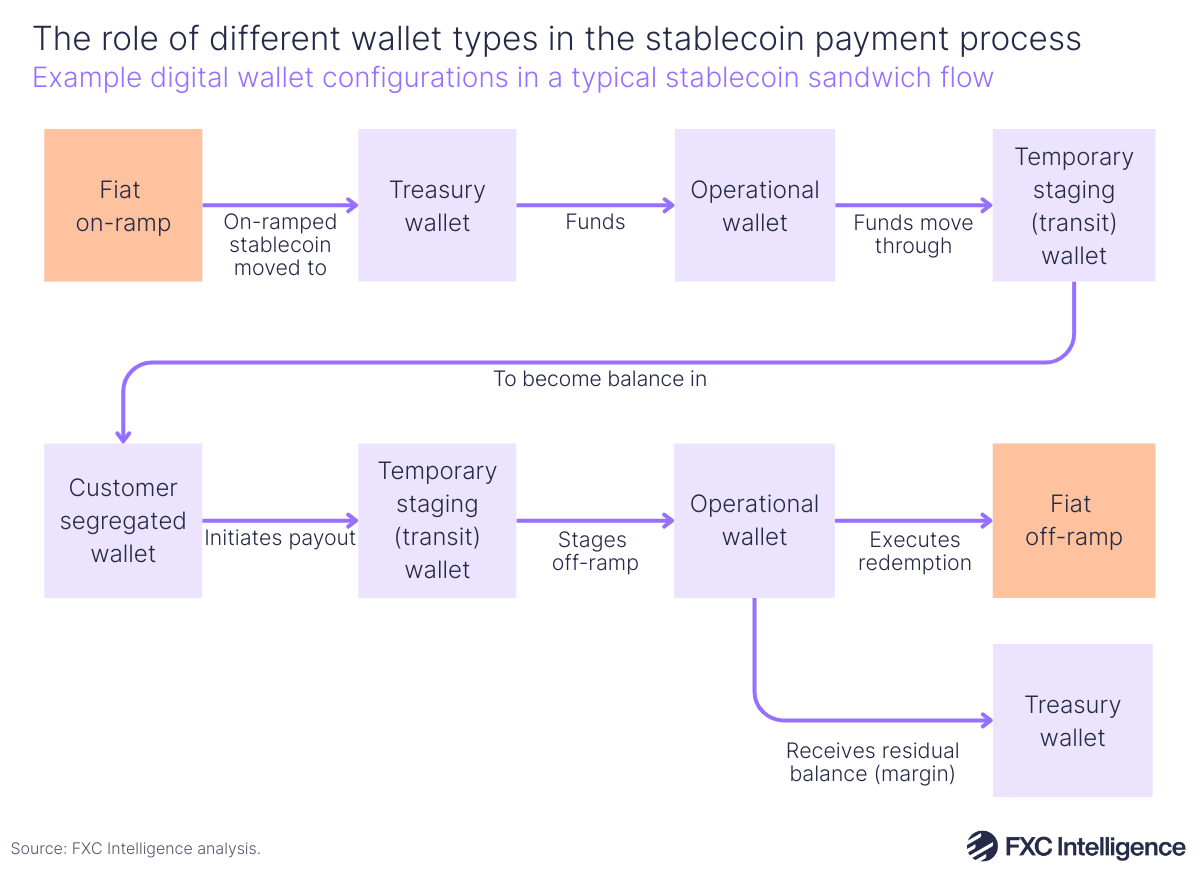
Review recent third-party audit reports. Ensure the provider uses HSMs or MPC technology. Check for SOC 1 Type II and SOC 2 Type II certifications. These certifications demonstrate that security controls are operating effectively over time.
Check the provider’s licensing status in your operating jurisdictions. Ensure they comply with local BSA/AML requirements. Verify that they have a clear policy on sanctions screening and identity verification (KYC).

Evaluate the provider’s API documentation and support. Ensure the APIs support automated reconciliation and real-time balance reporting. Test the integration with your existing treasury management systems to identify potential bottlenecks.
Integrate compliance and monitoring tools
Embedding compliance into your private stablecoin workflow isn't just about ticking boxes; it's about building the operational backbone that allows regulated finance to coexist with on-chain efficiency. As Stripe notes, stablecoin infrastructure must handle identity checks, fraud screening, and sanctions workflows while reconciling on-chain balances with internal records [src-serp-4]. The challenge lies in performing these checks without exposing sensitive user data to the public ledger.
To achieve this, you need to weave these tools directly into the transaction lifecycle. This ensures that every transfer is vetted against regulatory standards in real-time, maintaining the privacy guarantees that make private stablecoins attractive to institutions.
Choose an AML and sanctions screening provider that offers API-first integration. Look for vendors that specialize in blockchain analytics, as they understand the nuances of wallet clustering and transaction tracing. This provider will act as the gatekeeper, screening addresses against global sanctions lists before a transaction is finalized.
Embed identity verification directly into the wallet creation or funding process. Instead of requiring users to re-verify for every transaction, store compliance status on-chain or in a secure off-chain database linked to the wallet address. This allows for seamless, frictionless transfers for verified users while flagging unverified or high-risk addresses.
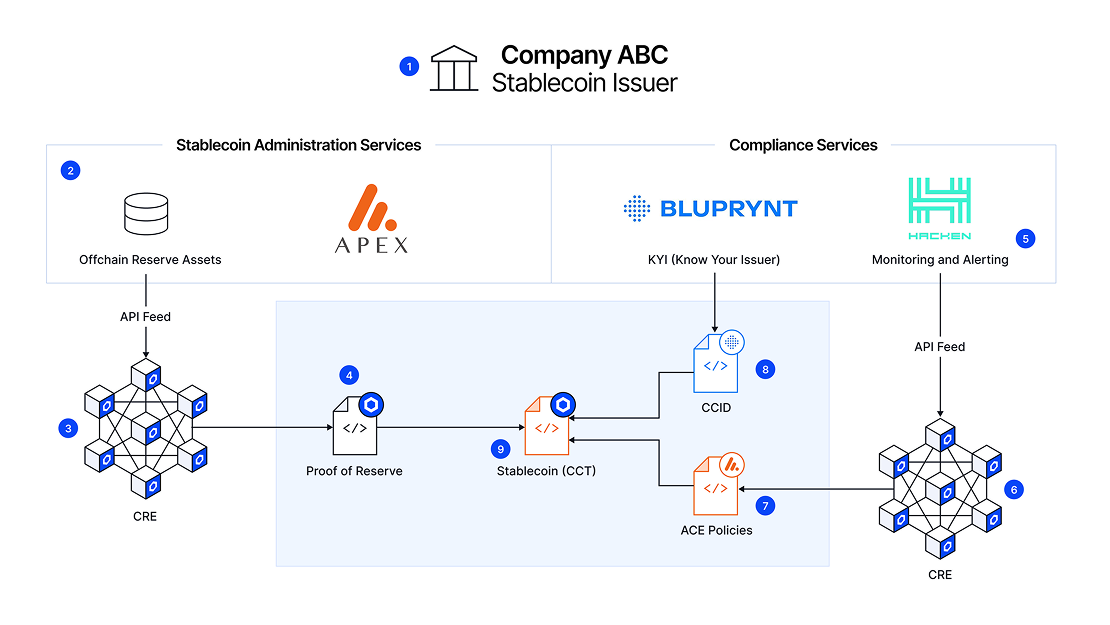
Set up automated monitoring rules that trigger alerts for suspicious activity. This includes large transfers, transactions with known mixers, or patterns indicative of structuring. The system should automatically freeze or flag transactions that breach your predefined risk thresholds, allowing your compliance team to intervene before funds move.

Since stablecoins touch regulated financial systems, your infrastructure must reconcile on-chain data with off-chain privacy requirements. Use zero-knowledge proofs or permissioned access controls to ensure that only authorized regulators or auditors can view specific transaction details when necessary, without exposing user data to the public.
-
AML provider API integration complete
-
KYC data storage encrypted and compliant
-
Sanctions screening automated for all outbound transfers
-
Transaction monitoring rules configured and tested
-
Regulatory reporting templates prepared
Test the infrastructure with pilot transactions
A controlled pilot validates that your private stablecoin infrastructure handles real-world settlement volumes without compromising privacy or compliance. This phase moves beyond sandbox simulations to test actual on-chain interactions with regulated counterparties. The goal is to verify speed, data isolation, and audit readiness before scaling to production.
Successful pilots demonstrate that your infrastructure can handle the dual demands of institutional-grade privacy and public accountability. This validation step reduces risk significantly, providing the evidence needed to secure board approval and regulatory consent for full deployment.
Scale to full enterprise deployment
Scaling your stablecoin infrastructure requires moving beyond pilot transactions to a system that handles high volume and strict regulatory scrutiny. The final phase involves integrating liquidity management and establishing continuous monitoring protocols.
Manage settlement liquidity
Ensure your treasury can settle transactions instantly without relying on external bank transfers that introduce delay. Configure automated liquidity pools or maintain sufficient reserves in regulated bank accounts to cover peak settlement windows. This prevents settlement failures during high-volume periods, maintaining counterparty trust and operational continuity.
Implement ongoing regulatory monitoring
Compliance is not a one-time setup. Integrate real-time monitoring tools that screen transactions against sanctions lists and detect anomalous patterns. These tools must reconcile on-chain data with your internal records to satisfy audit requirements. Regular updates to your compliance engine are necessary as regulations evolve, ensuring your infrastructure remains legally sound.
Frequently asked: what to check next
Helpful gear
Use these product recommendations as a starting point, then choose the size, material, and price point that fit how you actually use the gear.
- Good starting point
- Matches the article topic

As an Amazon Associate, we may earn from qualifying purchases.
No comments yet. Be the first to share your thoughts!