Defining Private Stablecoin Infrastructure
Private stablecoin infrastructure is the specialized set of systems that issue, settle, and manage digital dollars or other pegged assets within a permissioned environment. Unlike public stablecoins, which broadcast every transaction to a global ledger, private infrastructure restricts data visibility to authorized participants. This architecture is designed for enterprises that require regulatory compliance, counterparty privacy, and final settlement without exposing proprietary trading strategies or pricing data to the public.
The core distinction lies in data exposure. Public stablecoins prioritize transparency, making transaction histories and wallet balances accessible to anyone. Private infrastructure, however, uses permissioned access models to keep ledger details confidential. As noted by Canton Network, this allows businesses to issue and access stablecoins that move freely while maintaining "programmable privacy" for counterparties and strategies [src-2]. Stripe further clarifies that stablecoin infrastructure encompasses the broader systems needed to maintain steady value and reliable transfers, ensuring that the underlying rails support enterprise-grade reliability rather than just open accessibility [src-4].
This setup is particularly valuable for institutional finance, where trade secrets and client confidentiality are paramount. By keeping transaction data visible only to authorized nodes, private infrastructure enables high-volume settlement and complex financial operations that would be impractical or risky on fully public chains. The goal is not to hide from regulators, but to limit data exposure to only those parties with a legitimate need to know.
To understand how private stablecoins compare to other asset classes in real-time market conditions, it helps to look at the broader stablecoin and crypto market trends. The following chart illustrates the current performance of a major crypto asset, providing context for the market environment in which these private infrastructure solutions operate.
Comparing settlement architecture models
Choosing the right private stablecoin infrastructure requires weighing privacy guarantees against regulatory transparency. The three leading technical approaches—Layer 2 rollups, confidential computing, and permissioned sidechains—offer distinct trade-offs for compliance teams and developers.
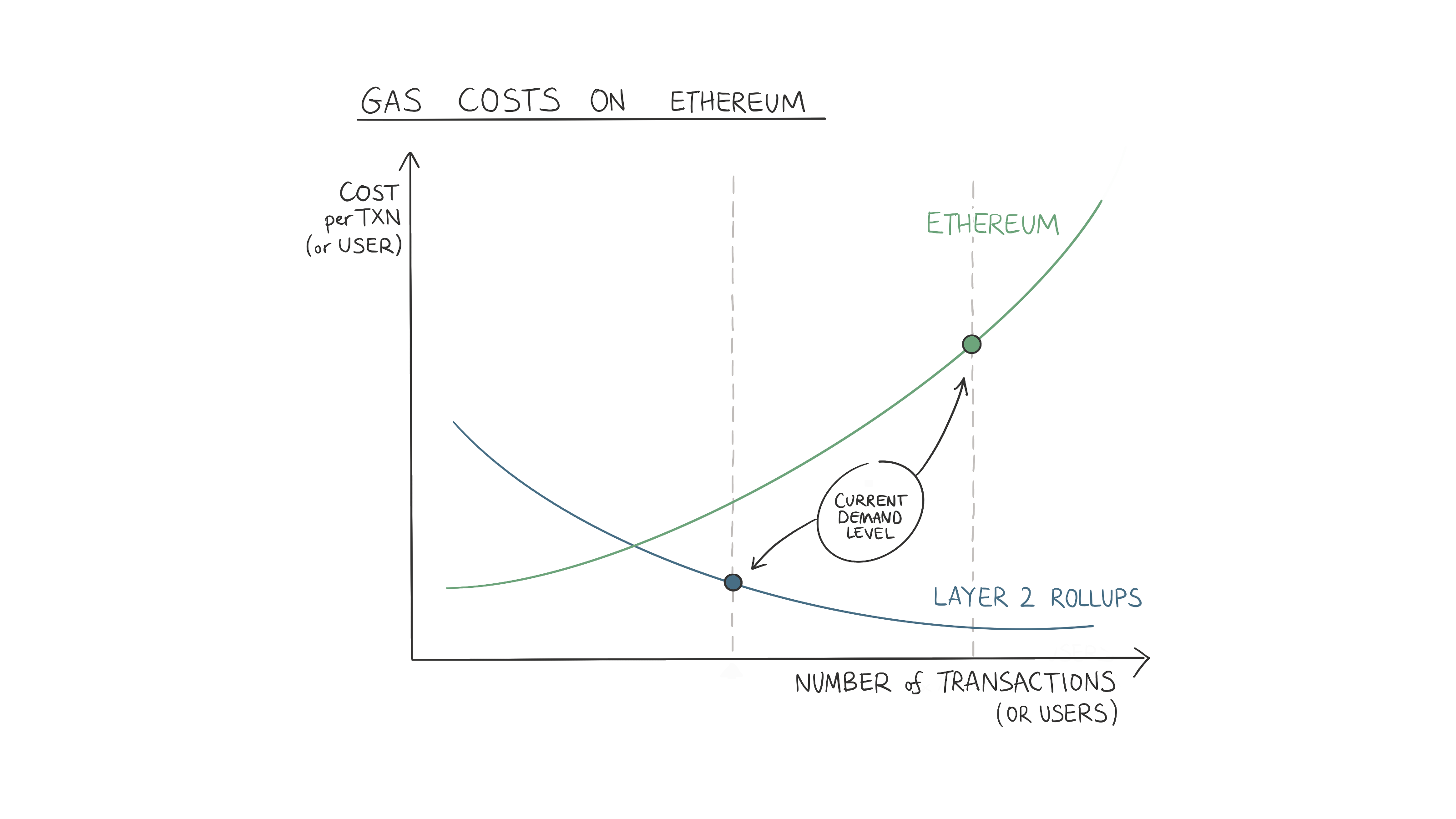
Layer 2 rollups, such as those built on Ethereum, provide high throughput and broad interoperability. They rely on cryptographic proofs to settle transactions off-chain while maintaining security on the mainnet. This model is ideal for projects prioritizing scale and compatibility with existing DeFi ecosystems, though privacy often requires additional zero-knowledge layers to keep transaction details hidden.
Confidential computing, exemplified by projects like COTI Network, uses hardware-based enclaves or garbled circuits to process transactions in isolation. This approach offers the strongest privacy guarantees, ensuring that pricing, counterparties, and strategies remain invisible to external observers. However, the compliance overhead is higher, as regulators require specialized auditing tools to verify transaction validity without seeing the underlying data.
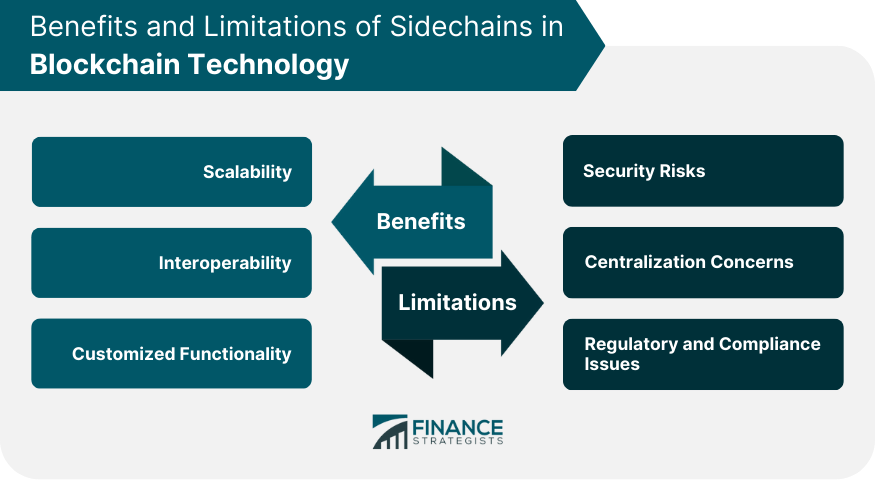
Permissioned sidechains operate on a closed network with known validators. This model simplifies regulatory compliance by allowing issuers to enforce strict identity checks at the protocol level. While it offers lower privacy and limited interoperability with public chains, it provides the highest level of control and predictability for institutional players.
The table below compares these models across key dimensions relevant to private stablecoin infrastructure.
| Model | Privacy Level | Throughput | Compliance Overhead | Interoperability |
|---|---|---|---|---|
| Layer 2 Rollups | Medium (ZK-dependent) | High | Medium | High |
| Confidential Computing | High (Hardware-enforced) | Low-Medium | High | Low |
| Permissioned Sidechains | Low (Identity-based) | Medium | Low | Low |
For teams evaluating these options, the decision often hinges on whether privacy or compliance is the primary constraint. Layer 2 rollups suit those needing scale and public chain access, while confidential computing appeals to institutions demanding maximum data secrecy. Permissioned sidechains remain the standard for fully regulated, closed-loop payment systems.
Navigating regulatory compliance requirements
Deploying private stablecoin infrastructure requires more than just building a ledger; it demands a rigorous adherence to financial regulations. Unlike public networks where anonymity is often a feature, private stablecoins operate within the bounds of strict enterprise governance. This means integrating robust Anti-Money Laundering (AML) and Know Your Customer (KYC) protocols directly into the transaction layer.
Compliance is not an afterthought but a foundational component of the tech stack. As noted by industry analyses, stablecoin infrastructure relies on smart contracts, oracles, and offchain systems to function. For private deployments, these systems must be configured to flag suspicious activities in real-time, ensuring that the underlying assets remain compliant with local financial laws.
Jurisdictional risks add another layer of complexity. A private stablecoin issued in one region may face different regulatory scrutiny when used across borders. Enterprises must verify official sources and consult legal experts to navigate these varying frameworks. Failure to do so can result in significant penalties or the freezing of assets.
To understand the broader market context, consider the current performance of established stablecoins, which often serve as benchmarks for private implementations.
The chart above illustrates the stability and volume of major stablecoin pairs, providing a reference for how private assets might behave under similar market conditions. However, private stablecoins are not traded on public exchanges, so their stability is internally managed rather than market-driven.
Ultimately, the success of a private stablecoin strategy hinges on its ability to balance technological innovation with regulatory compliance. By prioritizing official source verification and integrating compliance tools from the ground up, enterprises can mitigate risks and build trust in their digital asset infrastructure.
Market research and adoption trends
Private stablecoin infrastructure is moving from experimental pilot programs to core financial plumbing. Institutional demand is no longer driven by speculation but by the need for 24/7 real-time settlement and programmable compliance. As traditional banking rails struggle with legacy cut-off times and cross-border friction, private stablecoins offer a parallel settlement layer that operates continuously.
The shift toward real-time settlement is the primary driver of this adoption. Unlike traditional wire transfers that rely on banking hours and correspondent networks, private stablecoins enable instant finality across geographies. This capability is particularly valuable for treasury management, cross-border payments, and intra-day liquidity optimization. By cutting out intermediaries, institutions can reduce settlement risk and operational overhead significantly.
Market analysis indicates that the growth of private stablecoin infrastructure is closely tied to regulatory clarity and institutional-grade custody solutions. Major financial institutions are increasingly integrating these systems into their existing frameworks, treating stablecoins not as a replacement for fiat but as an efficient settlement token. The infrastructure is evolving to support complex compliance requirements, allowing private tokens to operate within defined legal boundaries while maintaining the speed and efficiency of blockchain technology.

Choosing the right infrastructure partner
Selecting a private stablecoin infrastructure partner requires balancing technical reliability with regulatory readiness. Your provider must handle real-time settlement across geographies by cutting out intermediaries and running on 24/7 blockchain rails. This operational backbone ensures that your digital assets move as quickly and predictably as traditional wire transfers, but with the efficiency of distributed ledger technology.
Security and compliance are non-negotiable. Look for partners who offer institutional-grade custody solutions and integrated identity verification (KYC/AML) tools. The infrastructure should support strict access controls and audit trails that align with your internal risk policies and external regulatory requirements. A provider that treats compliance as an afterthought introduces unnecessary liability.
To understand the market context, consider the performance of major regulated stablecoins like USDC, which often serve as benchmarks for stability and liquidity in private deployments.
Evaluate potential partners based on their ability to scale with your transaction volume and their responsiveness to evolving regulatory landscapes. The right infrastructure partner becomes an extension of your treasury operations, providing the security and speed needed to manage private stablecoin liquidity effectively.
Frequently asked questions about private stablecoins
Private stablecoin infrastructure is the backbone of confidential digital assets, but the landscape includes various models with different transparency levels. Understanding the distinction between public and private variants is essential for compliance and operational strategy.
Helpful gear
Use these product recommendations as a starting point, then choose the size, material, and price point that fit how you actually use the gear.

As an Amazon Associate, we may earn from qualifying purchases.
No comments yet. Be the first to share your thoughts!