Why standard stablecoins fail B2B privacy
Public ledger transparency creates a direct commercial liability for high-value B2B transactions. When a company uses a standard stablecoin like USDC or USDT on a public network, every payment is visible to competitors, regulators, and malicious actors. This lack of privacy is not just a technical quirk; it is a strategic vulnerability that can leak sensitive supply chain data, pricing negotiations, and cash flow positions.
Unlike traditional bank transfers, which are private by default, public blockchains are designed for auditability. Anyone can trace the flow of funds from origin to destination. For a B2B settlement rail, this means a competitor can monitor your incoming invoices and outgoing payments in real time. They can identify your suppliers, anticipate your inventory needs, or even front-run your transactions by analyzing the public mempool before your trade is finalized.
This exposure undermines the confidentiality required for legitimate business operations. While Stripe and other infrastructure providers emphasize the efficiency of stablecoins, they also note that public transparency remains a barrier for enterprises handling sensitive commercial data [Stripe]. Without privacy-preserving mechanisms like Zero-Knowledge Proofs (ZKPs) or private Layer 2 solutions, standard stablecoins cannot meet the confidentiality standards of modern B2B finance.
Selecting the right privacy layer
Choosing the right privacy layer for your private stablecoin guide isn't just a technical preference; it's a structural decision that defines how your B2B settlement rails interact with regulators. You are essentially choosing between keeping transaction data hidden by default (Zero-Knowledge Proofs) or keeping it hidden by location (Layer 2 solutions). Each approach carries different trade-offs for speed, cost, and, most importantly, auditability.
For legal and compliance teams, the core question is always: "Can we prove this transaction is clean without revealing the underlying business details?" ZKPs answer this by allowing you to generate a cryptographic proof that a transaction meets specific criteria (e.g., "sender is not sanctioned") without exposing the sender's identity or the transaction amount. Layer 2s, conversely, often rely on off-chain computation or private side-chains, where privacy is maintained by keeping data off the main public ledger, though this can sometimes complicate cross-chain verification.
To make an informed decision, compare these architectural options side-by-side. The following table breaks down how ZKPs, Layer 2s, and traditional permissioned ledgers handle the three pillars of B2B private payments: confidentiality, throughput, and regulatory access.
| Feature | Zero-Knowledge Proofs (ZKP) | Layer 2 (Rollups/Sidechains) | Permissioned Ledger |
|---|---|---|---|
| Privacy Model | Cryptographic proof of compliance | Data kept off main chain | Access-controlled membership |
| Regulatory Audit | Selective disclosure via keys | Depends on L2 design | Full node access for auditors |
| Transaction Speed | Slower (proof generation time) | Fast (batched processing) | Very fast (no consensus wait) |
| Cost per Tx | Higher (compute intensive) | Lower (shared security) | Low (internal validation) |
| Best Use Case | High-value, high-compliance needs | High-volume, lower-risk B2B | Internal corporate settlements |
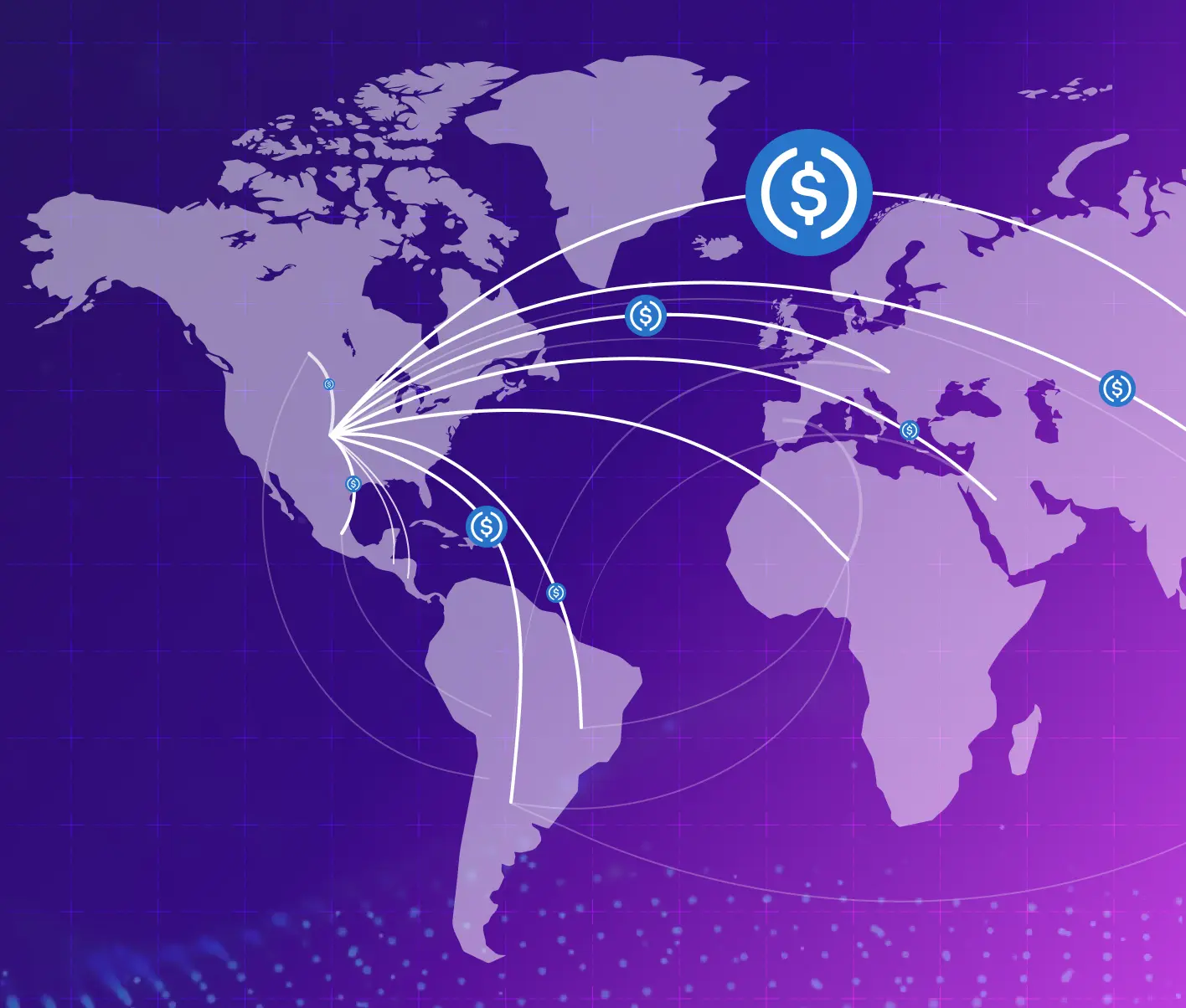
As you evaluate these options, consider your volume and risk profile. If you are processing thousands of low-value B2B payments, a Layer 2 solution might offer the necessary speed and cost efficiency. However, if you are handling high-value settlements where regulatory scrutiny is intense, the selective disclosure capabilities of ZKPs provide a more robust privacy shield. The image below illustrates the growing momentum in stablecoin infrastructure, where multiple chains are being integrated to support these varied privacy needs.



As an Amazon Associate, we may earn from qualifying purchases.
Ultimately, there is no single "best" privacy layer. The right choice depends on whether your priority is cryptographic certainty (ZKPs), operational scale (Layer 2s), or administrative control (Permissioned Ledgers). For most B2B private stablecoin implementations, a hybrid approach is emerging: using Layer 2s for high-volume, low-risk transactions and ZKPs for high-value, compliance-heavy settlements.
Integrating Compliant Reserve Management
Maintaining the 1:1 peg requires more than just holding funds; it demands a system where regulatory compliance and transaction privacy coexist without friction. For B2B settlement rails, the reserve management workflow must be auditable by regulators while keeping commercial data shielded from public view. This section outlines the precise steps to build that infrastructure.
Begin by integrating a regulated custodial gateway that accepts fiat deposits from institutional partners. This gateway must support segregated accounts to ensure client funds are legally isolated from the issuer’s operational balance sheet. Compliance checks, including KYC/AML screening, should occur at this entry point before any digital representation is created. JP Morgan emphasizes that this initial segregation is the foundation of trust, ensuring the stablecoin issuer remains solvent and compliant with banking regulations [[src-serp-3]].
Once fiat is deposited, you must prove the reserve backing exists without revealing the specific counterparty details or transaction histories. Implement Zero-Knowledge Proofs (ZKPs) to generate a cryptographic proof that total liabilities are fully covered by total assets. This allows regulators and auditors to verify the 1:1 peg in real-time. The proof contains no sensitive data, preserving the privacy required for B2B contracts while satisfying regulatory transparency mandates [[src-serp-5]].
Mint the new stablecoin tokens on a permissioned Layer 2 (L2) network or a private sidechain. This ensures that the minting event is recorded immutably but remains invisible to the public blockchain. By restricting access to authorized nodes, you prevent front-running and keep the volume of B2B transactions confidential. The L2 environment allows for high-throughput settlement while maintaining the security guarantees of the underlying base layer.

Finally, distribute the minted tokens to the recipient’s wallet through a private distribution channel. Use encrypted messaging or secure API endpoints to transfer the tokens, ensuring that the sender, receiver, and amount are not broadcast to the public mempool. This completes the cycle, delivering value instantly while keeping the commercial relationship between the two businesses entirely confidential.
Navigating regulatory reporting requirements
Compliance in a private stablecoin environment isn't about hiding; it's about compartmentalizing. Your goal is to satisfy KYC/AML obligations without exposing commercial transaction data to the public ledger or unauthorized third parties. This requires a layered approach where identity verification happens off-chain or in private channels, while settlement occurs on-chain.
Start by implementing strict identity verification at the gateway. Before any stablecoin enters your settlement rails, ensure the counterparty's identity is verified against sanctions lists and internal risk profiles. This step is non-negotiable for maintaining your legal standing. Use permissioned wallets or whitelisted addresses to ensure that only verified entities can interact with your settlement contracts. This prevents anonymous actors from entering your financial ecosystem.
Next, focus on transaction monitoring thresholds. Not every micro-transaction requires deep scrutiny, but patterns of structuring or unusual volume do. Implement automated monitoring tools that flag anomalies in real-time. These tools should analyze transaction velocity, counterparties, and amounts without storing sensitive commercial details like invoice numbers or client names. The data you monitor should be purely financial and behavioral, keeping your business logic private.
Finally, preserve an immutable audit trail. While the public ledger doesn't need your commercial data, regulators do. You must maintain a private, secure record of all transactions linked to verified identities. This ledger should be accessible for audits but isolated from the public blockchain. Consider using zero-knowledge proofs (ZKPs) to demonstrate compliance without revealing the underlying data. ZKPs allow you to prove that a transaction meets regulatory criteria without exposing the transaction's content to the verifier.
Use this checklist to ensure your compliance framework is robust:
By separating identity from transaction data, you create a settlement rail that is both compliant and commercially confidential. This approach aligns with emerging best practices in private stablecoin infrastructure, where privacy and regulatory adherence coexist through cryptographic verification rather than public transparency.
Common integration mistakes to avoid
Building private stablecoin settlement rails requires precision. Even small oversights in key management or jurisdictional compliance can halt operations or expose the business to regulatory action.
Inadequate key management
Most failures stem from poor custody architecture. Relying on single-signature wallets or unverified software keys creates a single point of failure. Implement multi-signature schemes and hardware security modules (HSMs) to distribute trust. This approach ensures that no single compromised credential can drain assets, maintaining the integrity of your settlement layer.
Ignoring jurisdictional variances
Stablecoin regulations vary significantly by region. A compliant setup in one jurisdiction may violate laws in another. Ensure your legal team reviews the specific requirements for each market where you operate. This includes KYC/AML obligations and data residency rules. Ignoring these nuances can lead to frozen funds or legal penalties.
Frequently asked: what to check next
Private stablecoins operate within a specific legal and technical framework that differs from public cryptocurrencies. Below are answers to common technical and compliance queries regarding their implementation for B2B settlements.
No comments yet. Be the first to share your thoughts!